










Troubleshooting Color: Fix Brassiness, Fading, and Uneven Application

Troubleshooting Color: Fix Brassiness, Fading, and Uneven Application
Color is a powerful tool for personal expression, but it can be fickle. Brassiness, fading, and uneven application are the most common headaches people encounter after dyeing their hair. Brassiness - those yellow, orange, or muddy undertones - often shows up after a few weeks as the color oxidizes. Fading can happen faster than you'd like, especially with frequent washing, heat styling, or sun exposure. Uneven application can result from porosity differences, timing mishaps, or inconsistent technique. The good news is that most color issues are solvable with a clear plan, the right products, and some patience. In this guide, you'll find practical, beginner-friendly strategies to diagnose the problem, correct it, and keep your color looking fresh longer.
Understanding Brassiness: Why Color Shifts and How to Recognize It
Brassiness is not a single problem but a symptom of how color interacts with your hair's natural undertones and its condition. When you dye hair, professional colorists use toners to neutralize unwanted tones. If the toner isn't chosen correctly for your base level, or if the hair's underlying pigment shifts over time, you end up with brass. Here's what often causes brassiness to appear, and how to recognize it:
- Under- or over-toning: If the toner chosen initially doesn't counteract the warm tones properly, yellow or orange hues begin to show as the color settles. This is especially common after the first few washes if the toner wasn't strong enough or the processing time was too short.
- Oxidation: Hair color, especially permanent dye, fades subtly as the molecules oxidize. The result can swing from cool to warm tones, depending on your base level and how well the cuticle lies flat after processing.
- Hair porosity and condition: Porous hair accepts color differently and absorbs dye unevenly. If you have high porosity in certain areas, those spots can appear brassier than the rest because they hold onto color more loosely or accept it unevenly.
- Minerals and water: Hard water, chlorine, and minerals in tap water can alter color over time, dulling cool tones and letting warm tones show through. This is a common culprit for brassy blondes or color-treated brunettes who swim or shower in hard water.
- Sun exposure and heat: UV rays and heat can break down dye pigments and fade cool tones faster than warm ones, nudging your color toward brass after a few weeks of sun exposure or repeated styling with hot tools.
What brassiness looks like in practice:
- Blondes: A yellow, gold, or peachy hue instead of a cool, silvery or icy shade.
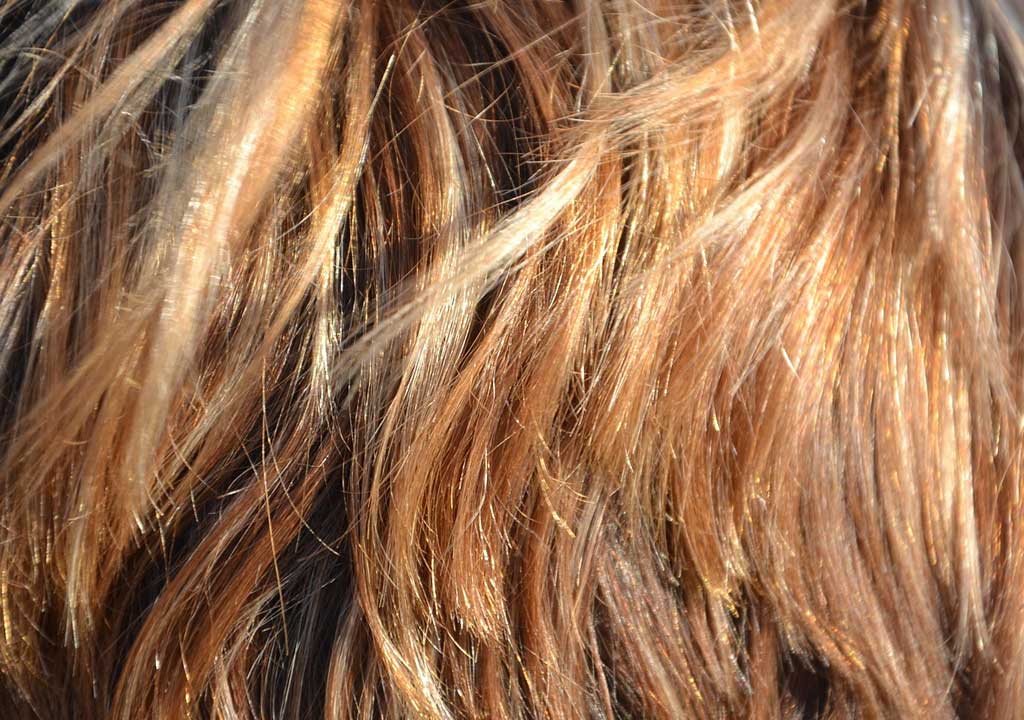
- Light brunettes: A coppery or orange glow instead of a cool, espresso-brown or ash tone.
- Red shades: A dull, muddy red or a shift toward copper; sometimes a blotchy appearance where some areas look redder than others.
Recognizing the signs is the first step to choosing the right fix. If your brassiness is mild and evenly spread, a gentler approach may work. If it's severe or patchy, you might need a more targeted corrective plan that could involve professional help.
Fix Brassiness: Step-by-Step Solutions for Different Hair Tues
When addressing brassiness, the core idea is neutralizing the unwanted warm tones with the appropriate toners or color-depositing products, followed by smart maintenance. Here's a practical approach tailored to common scenarios.
1) For Blonde and Highlighted Hair
Blonde hair tends to go brassy because yellow undertones are easy to see against lighter backgrounds. The goal is to neutralize yellow with violet/blue tones and refresh the color energy without overshooting into gray or purple territory.
- : Always start with a strand test to gauge how your hair responds to toners or purple shampoos. Take a small, hidden strand and treat it exactly as you would the rest of your head.
- : If you're using a semi-permanent or demi-permanent toner, choose a violet or blue-violet toner suited for your current shade. For example, a light-blonde base may benefit from a violet toning product, while very yellow hair might need stronger blue-violet toning. Follow the product's instructions for processing time and patch test.
- : Use a purple or violet shampoo 1-2 times per week as a maintenance routine. Leave on the hair a bit longer than a standard wash (as directed) to maximize toning effect, then rinse thoroughly.
- : If you notice a purple tint you don't love, switch to a milder formula or reduce processing time next wash. It's easier to re-tone or adjust gradually than to try to brush out a deep violet all at once.
- : After toning, use a deep conditioner or color-depositing conditioner designed for blondes to maintain moisture and protect the cuticle, which helps prevent further color washing out.
2) For Light Brown to Dark Blonde with Warm Undertones
When light browns or dark blondes lean toward copper or golden brass, a blue-based toning approach can counteract those orange tones without pushing the hair too cool.
- : Look for blue-based toners or color-depositing products that are appropriate for your level. Use them according to instructions, particularly with the processing time to avoid over-toning.
- : If you want to avoid an ashy outcome, choose toners that target mid-tones rather than the lightest segments of your hair. You can tier the toning effect with the mix ratio or time you leave the product on.
- : Maintain color by using sulfate-free shampoos and water-based conditioners that preserve tone; consider a weekly clarifying treatment if you swim in chlorinated water, followed by a toner or deposit conditioner.
3) For Brunette or Dark Hair with Warm Brass
Brunettes facing brassiness often see a shift toward golden or orange tones, especially in sun-exposed or chemically processed hair. Correcting this usually requires a careful approach to neutralization without turning hair ashy or flat.
- : For warm brunettes, a subtle ash or blue-leaning formula can help reduce coppery warmth. Avoid overly violet toners that can leave a gray cast on deeper hair colors.
- : Use toners in small increments, testing along the way. Deep tones can lock into place more quickly, so it's better to go slow and adjust over a couple of sessions if necessary.
- : After toning, hydrate the hair with nutrient-rich conditioners and consider bond-builders that support healthy porous hair-toned hair tends to behave better when the cuticle is well-moisturized.
4) At-Home Quick Fixes vs. Salon Corrections
For minor brass, a gentle at-home approach-purple shampoo, color-depositing conditioner, or a short-term toner-can fix things without a major commitment. For severe brass or when dealing with very dark bases that have turned brassy, it's wise to consult a professional colorist. A pro can recalibrate the underlying tone, formula strength, and processing time to avoid over- or undertones that require multi-step corrections.
Fading: How to Prevent Brown-to-Black Gloss, Preserve Tone, and Extend Wear
Fading can feel like a constant battle, but several factors influence how long color remains vibrant. The good news is you can slow fade with smarter care and smarter choices in products and routines. Here's how to keep color looking fresh longer.
- wash habits: Frequent washing strips color, especially with shampoos that contain sulfates. Try washing 2-3 times a week instead of daily, and consider watering down your shampoo to be gentler on your color. In between washes, you can rinse with plain water or use a cleansing conditioner (co-wash) to refresh the scalp without stripping color.
- water temperature: Hot water opens the cuticle, enabling color to escape more quickly. Rinse with cool or lukewarm water, especially during the final rinse, to seal the cuticle and lock in pigment.
- products that help color: Use color-safe, sulfate-free shampoos and conditioners. Look for formulas with UV filters or ingredients that shield the hair from sunlight and heat. Consider a color-depositing conditioner or mask once a week to refresh the tone between salon visits.
- heat and styling: Heat drives color fading, so reduce the use of high-heat styling tools or always apply a heat protectant prior to styling. If you dye your hair blonde or cool-toned, you may benefit from lower heat settings and shorter styling sessions to protect the cuticle.
- chlorine and saltwater: If you swim, use a swim cap and rinse hair immediately after leaving the pool. Chlorine and saltwater can strip color and alter tones, especially on color-treated hair. A protective leave-in treatment or barrier cream can help.
- UV exposure: Sunlight defeats color, especially for lighter shades. If you spend a lot of time outdoors, consider UV-protective hair products or hats that minimize sun exposure to your color-treated hair.
- clarifying products: Over time, product buildup can dull the hue and misrepresent color. Use a chelating clarifying shampoo periodically if you're dealing with mineral buildup, but avoid overuse as it can strip color. Pair clarifiers with a deep conditioner afterward.
In practice, the goal is to preserve color-rich pigment while maintaining hair health. If your color fades unevenly, it may reflect differences in porosity or the distribution of color, which leads us to the next major issue: uneven application.
Uneven Application: Why Some Strands Look Lighter, Others Darker, and How to Fix It
Uneven color can be the most frustrating problem because it makes the entire style look inconsistent. The causes range from technique mistakes to hair health differences. Here are common culprits and how to address them.
- porosity variation: Hair isn't uniform along the head. Some strands absorb dye more readily, while others resist or release pigment faster. This happens due to varying porosity from sun damage, chemical processing, or mechanical stress.
-
- previous color or underlying pigment: Previous treatments can react with new color differently in sections, giving a patchy result if you don't adjust the approach for those areas.
- processing time: If some sections are left on longer than others, you'll end up with uneven results. This is tricky since hair can vary in porosity along the scalp and length, causing differential uptake even with identical timing.
- cuticle integrity: Damaged or porous ends often take color more aggressively, while healthier or less porous roots accept pigment more slowly, leading to a gradient that looks off.
Fixing uneven color involves careful planning, technique, and sometimes conditioning steps to balance porosity. Here's a practical approach:
- : Do a strand test on a random section to observe how different areas respond to dye and timing. If the testing reveals significant variability, you'll need to customize processing times or consider a color deposit in the mismatched areas.
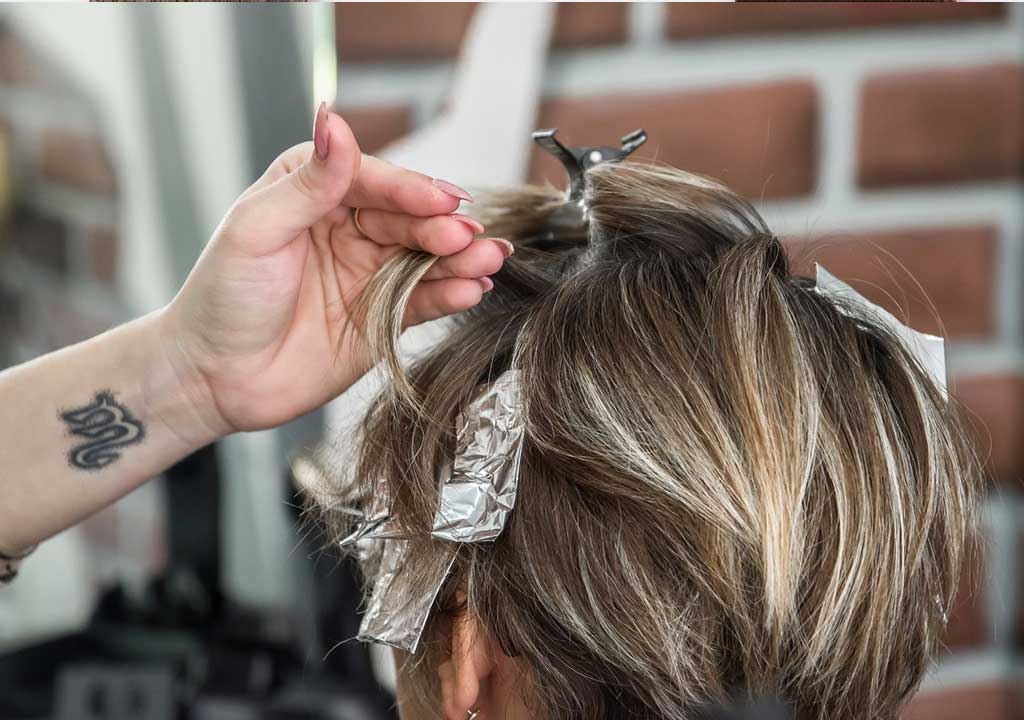
- : When applying color, use a precise, well-organized sectioning pattern (e.g., four to eight sections, using clips) to ensure even coverage. Work methodically from the roots to the mid-lengths and then to the ends, avoiding over-application in some sections while under-applying in others.
- : If you notice one area is visibly absorbing color faster, you may opt to extend or shorten processing times for specific sections. This is easier with semi-permanent or demi-permanent formulas that allow some adjustability without a major commitment.
- : Lightly pre-softening certain areas with a bond-repairing conditioner can help equalize absorption before applying color, particularly if you're working with previously highlighted or processed hair.
- : In cases of persistent unevenness, a professional can perform a tailored service such as color balancing, glossing, or a corrective toner to achieve an even base tone across the head.
In many cases, uneven color is a signal that your hair has varying porosity or damage. Supporting healthy hair with bond-building treatments, moisture-rich masks, and heat protection can help create a more uniform canvas for future coloring.
Tools, Techniques, and Color Theory: Choosing What Works for You
Understanding a few color theory basics and the right tools can demystify a lot of color troubles. Here are practical tips to help you select the right products and apply them with confidence.
- Know your undertone and level: Before choosing toners or depositing color, know your base level (the overall lightness) and undertone (cool vs warm). This helps you pick toners that counteract brass without turning your hair gray or muddy.
- toners vs color-depositing products: Toners typically neutralize undertones after a chemical color service. Color-depositing products (masks, shampoos, or conditioners) add pigment gradually to maintain tone between salon visits. For best results, reserve traditional toners for professional use or follow precise product instructions if you're DIY-ing at home.
- developer levels and timing: If you're attempting home touch-ups, developer strength matters. A low-volume developer (10-20 for deposit-only, 20-30 for lift and deposit) is safer for maintenance and toning, reducing the risk of over-processing. Always follow product directions and perform a patch test.
- bond-building and conditioning: Products that support bond strength and cuticle health help color last longer and look more even. Look for ingredients like hydrolyzed proteins and amino acids, plus bond builders that can reduce breakage during processing and between color sessions.
- personalized routine: Your routine should reflect your lifestyle, washing frequency, swimming habits, and sun exposure. If you color often, you'll likely benefit from a color-safe regimen plus weekly or bi-weekly color-depositing care. If you color less often, you can afford to use gentler shampoos and more moisture protection to extend the life of the shade.
A Practical Troubleshooting Plan: At-Home Steps to Correct Color Issues
If you're dealing with brassiness, fading, or uneven results, here's a straightforward plan you can follow. It's designed to be practical, safe, and repeatable, with adjustments as needed depending on your hair's response.
- : Look at the roots, mid-lengths, and ends. Note where brassiness is most evident, where color has faded fastest, and where application looks uneven. Take photos with acceptable lighting to compare after treatments.
- : Before applying any product, perform a patch test 24-48 hours in advance to check for allergies. Do a strand test on a hidden section to observe color uptake and timing. If results are inconsistent on the strand, you'll need to adjust processing times or consider a professional service.
- : If brassiness is mild, a purple shampoo or a color-depositing conditioner may suffice. For more intense brass, a violet-blue toner or a glaze could be needed. For fading, use a color-safe shampoo and a weekly color-depositing treatment. For uneven patches, a targeted, gentle color balancing treatment may be required, sometimes with a professional gloss.
- : Carefully follow the product's timing guidelines. Avoid leaving toners on too long, especially on darker bases, as over-toning can create a dull or grayish result. Apply products evenly, using proper sectioning and a brush or gloved hands to distribute product uniformly.
- : Rinse until the water runs clear, then apply a nourishing conditioner or a bond-building treatment. If you used a toner, consider a color-safe conditioner that supports the neutralized tone and adds moisture to the cuticle.
- : After treatment, monitor how the color settles over the next 1-2 weeks. If brass returns in 2-4 weeks, it may indicate a need for a stronger toner or a longer-lasting color-depositing solution.
- : Decide whether you'll continue with at-home maintenance or schedule a professional visit for a balanced correction. For persistent issues, a salon appointment for a gloss, glaze, or corrective toning can offer a longer-lasting fix with predictable results.
Tip: Keep your expectations realistic. Home toners and color-depositing products can be very effective for maintaining tone between professional services, but they have limits. If your hair is heavily brassy, severely faded, or shows dramatic patchiness, a professional consultation may save time and prevent further damage.
When to Seek Professional Help: Understanding the Limits of DIY Color Fixes
DIY color fixes have their place, especially for maintenance and minor corrections. But there are times when a pro is the better choice. Consider seeking professional help if:
- Brassiness is severely visible across large sections or is concentrated in the roots or ends in a way that looks inconsistent.
- Hair has recently been damaged, over-processed, or feels unusually brittle after attempting to correct color at home.
- You're dealing with stubborn color migration or a color that looks muddy or gray instead of neutralized.
- You're aiming for a significant color change or a drastic correction that involves lifting or leveling the hair a few shades.
- You're unsure about the products to use or the best approach to protect hair health during correction.
A professional colorist has access to professional-grade toners, glazing options, bond-builders, and precise timing controls that can address complex brassiness and uneven color safely. If you're nervous about turning your hair into a cooler or darker canvas, a consultation can save you from trial-and-error processes that may worsen damage.
Maintenance and Prevention: Keeping Color Fresh Between Appointments
The best defense against brassiness, fading, and uneven results is a consistent maintenance routine tailored to your color and lifestyle. Here are practical prevention strategies you can implement after every color refresh:
- Use color-safe, sulfate-free formulas: Shampoos, conditioners, and styling products formulated for color-treated hair help preserve pigment and minimize fade. Look for UV filters, antioxidants, and moisture-enriching ingredients.
- Hydration is critical: Color-treated hair tends to be drier. Invest in a weekly deep conditioning treatment or hair mask, and use leave-in conditioners or serums to seal the cuticle and prevent moisture loss that can lead to fade and uneven results.
- Protect from heat: Always apply a heat protectant before styling. Lower heat and shorter heat exposure can extend color life and reduce damage that causes uneven uptake and rapid fading.
- Shield from the sun and chlorine: If you swim or spend time outdoors, use protective products with UV filters or wear a hat when in direct sunlight. Rinse hair after swimming and consider a color-safe clarifying treatment or chelating shampoo if you notice mineral buildup.
- Routinely refresh with color-depositing care: Depending on your shade, incorporate a weekly or bi-weekly color-depositing conditioner or glaze to maintain tone and lighten the frequency of needed salon visits. This is especially helpful for blondes and cool-toned browns.
- Be mindful of water quality: Hard water can dull color over time. If your water is hard, a chelating shampoo or a pH-balanced cleansing routine can help maintain vibrancy.
Maintenance isn't just about products; it's about a manageable routine. A simple, predictable regimen reduces the chances of brassy color creeping in and helps your stylist achieve more reliable results at your next appointment.
Common Myths About Color Correction: Debunking Misconceptions
Color correction is surrounded by myths that can mislead people into unsafe or ineffective approaches. Here are a few myths debunked, along with the truth:
- "Brassiness is permanent with home color": Not true. Brassiness is typically a manageable issue with the right toner, pigment balance, and a consistent care routine. Many people restore neutral or cooler tones with targeted toners and careful maintenance.
- "All toners are the same": Toners vary in base color (violet, blue, blue-violet, etc.), strength, and intended use. Using the wrong shade can turn hair cool but dull or create an unwanted gray cast. Patch testing and following product guidelines are essential.
- "Fading can't be stopped": Fading can be slowed with color-safe products, cooler water, reduced washing frequency, UV protection, and occasional color-depositing care. You can extend the life of your shade with mindful habits.
- "Uneven color means you did something wrong": Uneven results often stem from hair porosity differences, not just technique. Understanding porosity and adjusting the approach (timing, sectioning, and conditioning) can correct the issue and improve future color results.
- "Professional color is always best": Not always. While pros offer precision and longer-lasting results, many people get great outcomes at home with careful planning, patch tests, and aftercare. The key is to choose the right product and follow instructions exactly.
Final Thoughts: A Realistic Roadmap for Color Troubleshooting
Color is a relationship between your hair's natural characteristics and the products you apply. Brassiness, fading, and uneven application are common, but they are not permanent. With a clear understanding of why these issues occur and a practical, step-by-step plan, you can restore and maintain your color with confidence.
Start with diagnosis: Is the brassiness uniform or patchy? Is fading happening more on the ends or roots? Are some sections absorbing color differently due to porosity? Use these observations to guide your next steps. For minor brass or mild fade, at-home toning and color-depositing care may be enough. For persistent brassiness or pronounced unevenness, consider a professional consult to recalibrate the color strategy, ensuring a healthier, more even result that lasts longer.
Remember the safety basics: patch tests before trying new products, follow processing times to the letter, and never mix products without understanding how they interact. When in doubt, seek professional guidance. A well-planned correction not only fixes the problem but also protects the health of your hair, giving you a beautiful, balanced color you can enjoy with pride.
Ultimately, troubleshooting color is about patience, knowledge, and good maintenance. Brassiness can be tamed, fading can be slowed, and uneven application can be balanced with the right approach. As you refine your routine and build a relationship with your hair, your color will look more cohesive and vibrant over time-proof that a thoughtful, informed plan beats trial-and-error every day.
LIKED THIS ARTICLE? SHARE IT: