







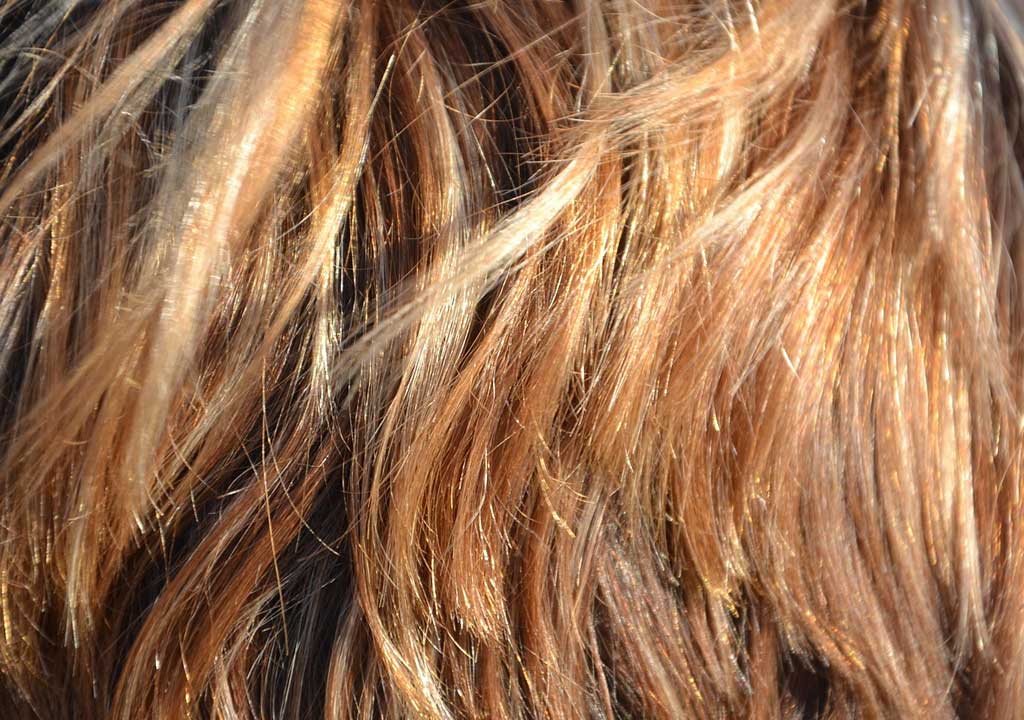
Application Techniques Demystified: Foils, Balayage, and All-Over Color

Application Techniques Demystified: Foils, Balayage, and All-Over Color
Coloring the hair is as much science as it is art. The way color is applied-the technique, the tools, the timing-shapes the final look just as much as the shade you choose. In professional color rooms and among enthusiasts, three core techniques stand out for most clients: foils, balayage, and all-over color. Each method has its own personality, maintenance curve, and set of best-use scenarios. This guide unpacks how these approaches work, what to expect during a session, and how to decide which one fits your hair goals, lifestyle, and budget. Whether you're a salon regular trying to understand your stylist's plan or a curious reader weighing DIY options, you'll find practical, down-to-earth explanations here.
While the terms are sometimes used interchangeably in casual conversations, they describe distinct methods with unique outcomes. Foils are the classic, high-contrast technique that creates bright highlights or bold color placement with defined sections. Balayage is a freehand painting approach designed to yield a sun-kissed, seamless gradient that grows out softly. All-over color is a uniform deposition process that delivers consistent shade from root to tip, often used for gray coverage or a dramatic, single-tone change. By understanding the differences, you can align expectations with the technique that best suits your hair's history and your beauty goals.
Foils: The Classic High-Definition Lift
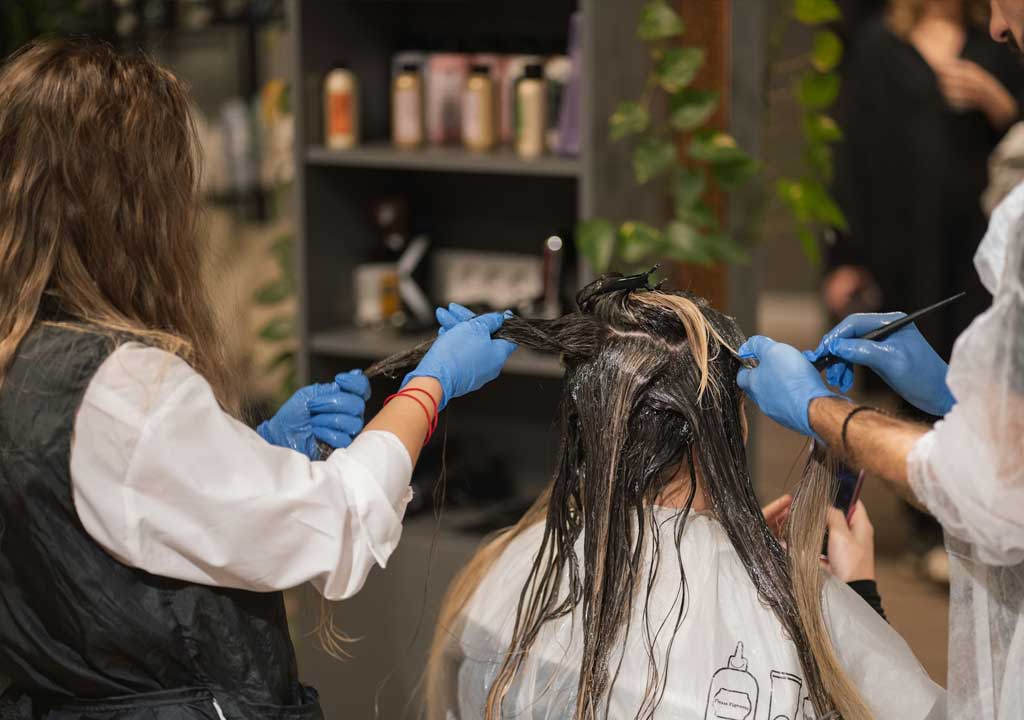
Foiling is the time-honored method of separating hair into small sections, applying color or lightener to those sections, and wrapping each treated lock in foil. The foil traps heat, concentrates the lightening or depositing process, and creates crisp, high-contrast results. Foils can be used to create a full head of highlights, lowlights, or a combination of both. They're particularly favored when a client wants bright contrast, precise placement, or bold dimensional shifts.
How foil highlights work, in a nutshell: the stylist isolates targeted strands, applies a lightening product (or a color) to those strands, and seals them inside foil to shield them from the surrounding hair. The foil keeps the heat in, which accelerates lift or color deposition, allowing control over where and how much change occurs. Processing time depends on the lightener's strength, the hair's current shade, porosity, and the desired result. After processing, the foils are unfolded, the hair is rinsed, and the color is toned to achieve the target hue.
What foil techniques can do for you include crisp babylights for ultra-fine brightness, traditional foils for multi-dimensional highlights, or double-foil combos for complex color placements. The results are often dramatic, with well-defined contrast that can make hair appear lighter and more dynamic. On the flip side, foils require more maintenance because the regrowth line can be noticeable as the hair grows, and the precision of foil placement means you're committing to a defined color map until the next refresh. If you're aiming for a dramatic change, a foil-based plan is a reliable workhorse.
Key considerations for foil use:
- Porosity and texture influence lift and tonal results. Highly porous hair grabs color more quickly and may process faster than low-porosity hair.
- Desired level of brightness and depth guides foil width and placement. Narrow, frequent foils yield subtle, dense dimension; broader foils create a more sunlit, pop-bright effect.
- Maintenance and timing: regrowth appears as a line sooner, so scheduling a follow-up refresh is important to keep the look cohesive.
Typical steps a colorist follows with foils:
- Consultation to determine the target level, tone, and placement.
- Sectioning the hair strategically-often into a grid or horizontal panels to guide even lift or deposit.
- Applying lightener or color with precision to each targeted strand, then wrapping in foil.
- Monitoring processing time, then rinsing, shampooing, and applying toner or glaze to achieve the desired shade.
- Final styling to reveal the brightness, depth, and frame around the face.
Foils excel when you want a high-contrast, visible result-think platinum highlights on dark hair, or a multi-dimensional golden glow on a lighter base. They're also useful when you need predictable results with color longevity, since the foil encapsulates the treated hair and minimizes cross-process mixing with unprocessed strands. If your schedule is flexible and you enjoy visibly dynamic color, foil work can be a thrill ride-just be prepared for maintenance sessions every 6-12 weeks depending on your regrowth and lifestyle.
Balayage: The Freehand Gradient of Sun-Kissed Dimension
Balayage, pronounced bah-yah-azh, is a freehand painting technique that aims to create a natural, sun-kissed gradient. Rather than applying color to every strand in a precise section, the colorist sweeps color or lightener onto the hair in sweeping motions, typically toward the ends, creating lighter "sunlight stained" pieces that blend seamlessly into the base at the roots. The result is a soft, organic transition with less obvious regrowth lines. Balayage is celebrated for its low-maintenance appeal and its ability to grow out gracefully, making it a favorite for clients who want beauty that looks intentional even as hair grows out.
How balayage achieves its signature look: the colorist assesses the hair's natural fall, density, and tone, then paints lighter color along mid-lengths to ends with a sweeping brush or finger-like motion. The root area receives little or no color, which is what creates that natural growth pattern. Because balayage emphasizes saturation in a freehand manner rather than tight, uniform sections, it delivers a softer, more blended result than traditional foils. It also means less processing time in the salon because fewer strands are treated, but the stylist must manage client expectations regarding the final brightness and the evenness of the gradient.
What balayage can do for you includes:
- Soft, interchangeable color that grows out with minimal harsh lines.
- Natural-looking dimensionality that mimics the effect of light naturally striking the hair.
- Lower maintenance compared with full-foil highlights when the goal is a sun-kissed look.
Important nuances of balayage:
- Tools and technique matter: balayage commonly uses a freehand technique with brush, gloves, a lightener or color, and sometimes a small amount of foiling for control on the tips.
- Root maintenance is lighter on the wallet and schedule, but some clients still opt for a light glaze or toner every few visits to refine the tone as hair grows.
- Porosity and hair color history influence how bright the balayage reads. Previously lightened hair may lift quickly, while virgin or darker hair may need longer processing to achieve the desired brightness.
Process overview for balayage sessions:
- Initial consultation to define the target brightness, tone family (cool, warm, neutral), and the intensity of the gradient.
- Sectioning is more fluid than with foils; the stylist works with the hair's natural fall and the desired rand of lightness.
- Color or lightener is painted onto the surface of the hair in sweeping motions, often with a gentle feathering technique to avoid harsh lines.
- Occasionally, micro foils may be used selectively to accentuate certain pieces or to achieve specific brightness, but the hallmark remains the freehand application.
- Processing is monitored and timed, then the color is rinsed, toned, and finished with a tailored cut or styling to emphasize the new dimension.
Balayage thrives on natural, low-maintenance results. It's ideal for clients who want a modern, lived-in look that's forgiving as it grows out. It also pairs well with fashion colors and cooler tones, allowing for a sophisticated blend that doesn't scream "color shift" at the root. If your lifestyle centers on low upkeep and you love a natural glow that catches light differently as you move, balayage may be the right direction for you.
All-Over Color: Uniform Shade from Scalp to Ends
All-over color, sometimes called single-process color, is a method that deposits pigment evenly across the entire hair length. The aim is uniform coverage, consistent depth, and a seamless baseline from roots to ends. All-over color is the workhorse technique for gray coverage, complete color changes, or when you want a solid canvas for a dramatic shade. It's also the foundation behind many root touch-ups that keep the color looking fresh between highlight appointments.
How all-over color operates: a chosen shade is applied from scalp to ends, typically after a strand test and color calculation based on your base shade and the target level. The goal is full saturation, ensuring no patchy areas. Depending on the formula, the color may lift the natural pigment slightly to a new base-or it may simply deposit, changing the tone (for example, moving from a warm base to a cooler one). Processing times vary with product strength and the desired result, and toners or glosses can be used after deposition to fine-tune the tone and level of warm versus cool balance.
All-over color is especially valuable when:
- Full coverage is required, such as gray blending or transitioning to a shade that covers lighter or uneven tones.
- A consistent base is desired for subsequent color play-foils or balayage can be layered over an all-over foundation for more complex looks.
- Your hair has previous color history that requires a uniform approach to reset the tone and level.
Key steps in an all-over color session:
- Color consultation to determine level, tone, and the need for any pre-lightening or glossing.
- Precise measuring and mixing to ensure uniform deposition across the scalp and lengths.
- Application strategy to ensure even saturation from root to tip, followed by processing under controlled heat or room temperature depending on the product.
- Rinsing, shampooing, conditioning, and toning or glazing to achieve the final shade harmony and shine.
- Finalization with haircut or styling to reveal a clean, uniform color field.
All-over color delivers dependable, predictable results. It's a strong option for someone seeking a bold, solid color-whether it's a natural-looking brown, a fashion-forward platinum, or a vibrant red. It's also widely used as a base to anchor more dynamic color techniques, providing a clean canvas for future sessions. If you prefer a solid, consistent look and want reliable gray coverage or a bold single shade, all-over color is the straightforward path.
Comparing the Techniques: When to Choose What
Choosing between foils, balayage, and all-over color depends on several factors beyond just the shade you want. Consider your hair history, skin tone, maintenance tolerance, lifestyle, and how you want your hair to look as it grows out. Here's a practical snapshot to guide your thinking:
Foils deliver high-contrast, defined highlights and can create dramatic dimension. Balayage yields a more blended, natural gradient, with less visible regrowth. All-over color provides uniform tone with no dimensional highlights unless you layer techniques later. Porous or previously lightened hair may respond differently depending on the technique. Foils can maximize lift where needed; balayage relies on the hair's ability to catch light naturally; all-over color depends on how evenly it deposits across the hair shaft. If you love a sun-kissed, effortless vibe, balayage is a natural fit. If you want a sharper, more fashion-forward pop, foils may be your go-to. If you're new to color or want a solid transformation (such as a bold fashion shade), all-over color provides a clean slate.
In practice, many clients benefit from a blended approach. A stylist might start with a baselayer of all-over color for uniformity, then add balayage or subtle foils for dimension, or use foils only on the lower half of the head for a targeted brightness. The best result often comes from a tailored plan that blends techniques to achieve the desired effect while preserving hair health.
Common Mistakes and Troubleshooting Tips
Even seasoned colorists encounter challenges. Here are common missteps and practical ways to avoid or fix them, whether you're at a salon or experimenting at home with proper guidance and products:
Toners are essential in balancing warmth or coolness. If you end up with an unwanted undertone, a corrective toner or glaze can adjust the shade without stripping. This is common when roots grow in and the tone is not blended. A masterful colorist blends lines during coloring or adds a subtle glaze to harmonize growth with the mid-lengths and ends. This often happens with DIY applications or rushed salon sessions. Ensuring even distribution, proper sectioning, and thorough application across all treated areas prevents patchiness. Skipping toning or glossing sessions can dull color and shorten its apparent life. Regular glosses or clear layers help keep shine and vibrancy. Porosity influences processing speed and color uptake. Performing a strand test before full application helps anticipate results and adjust times accordingly.
Practical troubleshooting steps:
- If a color is too dark, a lighter glaze or a color-depositing conditioner can lift brightness without a full re-coloration. If a tone is off, schedule a color correction appointment with a trained stylist rather than attempting to correct at home.
- If roots are prominent, a targeted root touch-up with the same shade or a close match can tidy the line. For a more blended outcome, consider adding a subtle glaze across the mid-lengths and ends.
- For damaged or overly porous ends, use bond-building treatments and deep conditioning between appointments to maintain elasticity and manage color absorption.
Maintenance and Aftercare: Keeping Color Vibrant and Hair Healthy
Color longevity is as much about aftercare as it is about the initial application. A thoughtful routine helps preserve vibrancy, protect hair integrity, and reduce the frequency of touch-ups. Here are practical tips that apply to foils, balayage, and all-over color alike:
- Use color-safe, sulfate-free shampoos and conditioners to minimize pigment stripping. Consider formulas with UV protection to guard against sun-related fading.
- Limit heat exposure and use heat-protectant products when blow-drying or styling. High heat can accelerate color fading and moisture loss, especially on highlighted or lightened strands.
- Schedule regular gloss or toner sessions as recommended by your stylist. Glosses refresh tone, add shine, and reduce yellowing or dullness that can occur with time.
- Keep ends moisturized with weekly deep conditioning or bond-building treatments. Strong, healthy hair holds color better and looks more polished.
- Protect color while swimming by rinsing hair with fresh water beforehand and using a protective swim cap or conditioner to minimize chlorine impact.
- Follow a maintenance plan with your stylist. Regular appointments help sustain the color's integrity and prevent drastic regrowth contrasts.
Choosing the Right Technique for You
Picking a technique is a conversation between you and your stylist that considers your hair's history, your goals, and your daily life. Here are some guiding questions to help you decide on a path:
- How dramatic do you want the change to look, and how often are you willing to refresh it? If you crave a bold, high-contrast outcome, foils might be the best route. If you prefer a soft, natural glow, balayage is a strong fit. If you want a solid base color with predictable maintenance, all-over color could be ideal.
- How fast does your hair grow back? If regrowth is a concern and you want a forgiving plan, balayage's grow-out can be less conspicuous, while foils will reveal lines sooner.
- What is your hair's current condition? Damaged or highly porous hair often benefits from gentler processing and conditioning treatments. A layered approach might be the best compromise to preserve integrity while achieving the desired look.
- What's your lifestyle and budget? Regular foil sessions deliver frequent brightness but require ongoing maintenance. Balayage offers lower maintenance but may require adjustments for brightness and tone. All-over color demands consistent upkeep to maintain uniform shade and gray coverage if applicable.
Remember, the most satisfying color story usually comes from a customized plan that blends techniques. A skilled colorist will listen to your goals, examine your hair's history, and propose a phased approach that evolves with you over time. Don't be afraid to ask for a test strand, a timeline for maintenance, and a clear explanation of how the plan will grow out and what the next steps will look like.
Frequently Asked Questions
Here are answers to common questions people have when exploring coloring techniques. If you're considering a salon visit, these answers can help you prepare for your consultation.
Q: Can I mix balayage with foils on the same head?
A: Yes. Many clients and stylists blend techniques to maximize dimension while fitting the client's lifestyle. For example, balayage can provide a blended base with selective foiling to intensify brightness in specific areas.
Q: How long does each technique take?
A: Time varies with hair length, density, and the amount of lift needed. Foils typically require more hands-on time due to sectioning and wrap work. Balayage can be quicker in some cases but demands careful freehand placement. All-over color usually takes the longest deposition time and may require a precise root-to-end approach.
Q: Will color damage my hair?
A: Any chemical processing has the potential to impact hair health. The best defense is a well-planned regimen, bond-building treatments, regular conditioning, and respecting processing times. A stylist who prioritizes conditioning and uses professional-grade products can minimize damage while achieving the desired look.
Q: How do I choose a shade that flatters my skin tone?
A: Skin-tone-compatible color typically falls into warm, cool, or neutral categories. Your stylist can help select shades that complement your undertones and eye color. Remember that toning andGlossing can adjust warmth after the initial color is applied.
Q: Can I DIY color at home using these techniques?
A: Home color is possible for some all-over color applications but is riskier for foils or balayage due to the precision required. If you choose to experiment at home, stick to semi-permanent or brush-on color designed for at-home use and follow all safety guidelines. Consider a professional consultation first to understand what your hair needs before attempting complex techniques.
Conclusion: Demystifying the Color Journey
Foils, balayage, and all-over color each tell a different color story. Foils offer bold, brilliant highlights and precise placement for dramatic dimension. Balayage invites a sun-kissed, natural glow that grows out gracefully, requiring less frequent touch-ups and a softer transition. All-over color provides a dependable, uniform canvas, ideal for solid shades, gray coverage, or a clean slate for future shade experiments. The right choice depends on your goals, hair history, and how you want your color to behave as it grows out.
Ultimately, the art of color lies not only in choosing a shade but in selecting the technique that best celebrates your hair's texture, thickness, and personality. A thoughtful consultation with a skilled colorist can translate your vision into a plan that respects your hair's health while delivering a look you'll love. The world of color is wide and wonderfully varied, and with the right approach, you can enjoy hair that feels vibrant, becomes easier to manage over time, and looks freshly tailored with every appointment.
As you explore these techniques, keep an open mind about possibilities and remain flexible about how your look may evolve. Your stylist can guide you through a phased journey-from a transformative foil-enhanced glow to a low-maintenance balayage that brightens your complexion for months or a timeless all-over color that defines your personal style. With clear communication, a realistic maintenance plan, and a respect for your hair's health, you can achieve a color that not only turns heads but also feels authentically you.
LIKED THIS ARTICLE? SHARE IT: