













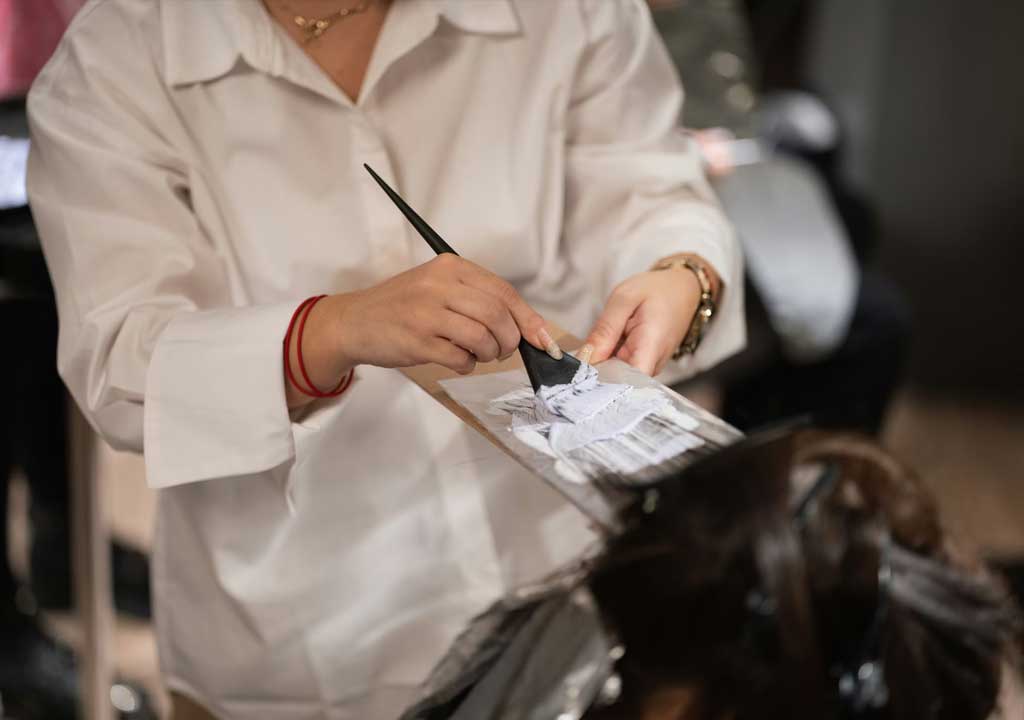


Patch Testing for Hair Dyes: A Practical Safety Guide

Patch Testing for Hair Dyes: A Practical Safety Guide
Dyed hair can add lift, style, and confidence, but for a growing number of people, it also means managing allergic reactions. The simple act of swiping a color on your scalp or behind your ear can trigger contact dermatitis, itching, redness, swelling, or even painful blisters. Patch testing is a quick, practical step you can take before applying hair dye to reduce the risk of an adverse reaction. This guide walks you through why patch testing matters, how to do it correctly, what to expect, and what to do if something doesn't go as planned. It's written for at‑home colorists, salon clients, and anyone who wants to color their hair safely and confidently.
Why patch testing matters
Hair dyes rely on chemical compounds that can irritate or sensitize the skin. The most well-known allergen in many dyes is p‑phenylenediamine (PPD), a powerful colorant used in permanent hair dyes. But PPD isn't the only potential troublemaker. Other ingredients-such as resorcinol, ammonia, and fragrance additives-can also provoke reactions in some people. A patch test helps you determine if your skin will tolerate the product before you apply it to your scalp and hair follicles.
Patch testing is particularly important for people who have:
- History of dermatitis, eczema, or skin allergies
- Sensitive or reactive skin
- Previous reactions to hair dyes or cosmetics
- Dermatologic conditions like psoriasis or chronic scalp irritation
- Children or teens who are trying dye for the first time
- Pregnant or nursing individuals who want to color their hair
While patch testing is not a guarantee that you will never react, it significantly lowers the risk by revealing sensitivities ahead of full scalp use. It also gives you a clear plan: if you react, you can choose a different product or skip the dye altogether. If you don't react, you'll have greater confidence that a full application will go smoothly.
What you should know before you dye
Understanding the basics of hair dye chemistry helps you interpret patch-test results and select safer options. Most permanent and semi-permanent hair dyes involve at least one strong chemical colorant (often an aromatic amine) along with other components that help the color develop, fix, or smell pleasantly for customers. The most common concern is PPD and related amines that can form reactive metabolites on the skin. Some manufacturers now offer "PPD-free" or "low-PPD" formulas, but even these can contain other substances that provoke irritation or allergies in certain people. Reading ingredient lists carefully is essential.
When you patch test, you're testing your skin's response to the exact product variant you intend to use, including the developer strength, timing, and mixing ratios. That makes the patch test more predictive than testing with a generic sample or with a different product. If you're considering a natural or purely plant-based dye (for example, henna), patch testing remains prudent because natural products can still cause irritation or cross-reactivity for some individuals, and adulterated henna products may contain synthetic colorants.
Who should patch test and when
Patch testing is recommended for most people who plan to use a home dye or go to a salon for a color service. It's especially important if you:
- Have never dyed your hair before
- Have a history of skin allergies or dermatitis
- Have sensitive skin or a history of contact reactions to cosmetics
- Are using a dye with a brand-new formula or new packaging
- Are pregnant or breastfeeding and want to color your hair (consult a clinician first)
Timing matters. The usual recommendation is to perform a patch test at least 48 hours before the color application. Some brands and clinicians advise testing 24 hours before, while others recommend a 72-hour reading window to catch late or delayed reactions. If you're coloring your hair at a salon, you can and should ask if they perform a patch test prior to your appointment. If you're coloring at home, set aside a quiet block of time two days before your planned dye job to do the test and check the results.
Patch test: materials and setup
Patch testing doesn't require fancy equipment, but you'll need the product's actual dye or a representative sample, plus a few basic supplies. Gather these items before you start:
- The hair dye or the portion of the kit you plan to use (or a labeled patch test kit from the manufacturer)
- Clean skin area for testing, such as the inside of the forearm or behind the ear
- A small amount of the developer or the dye mixture as directed by the product's instructions
- Adhesive strip or hypoallergenic patch material (if using a patch-test kit)
- Hypoallergenic barrier cream or petroleum jelly (optional, to protect surrounding skin)
- Soap and water for cleaning the area before and after the test
- Timekeeping device and a notebook to record results
Important note: If the dye you plan to use requires mixing with a developer, some patch-test protocols advise applying the patch with the mixed product, as you would during a real application. Others advise testing the dye and developer separately or using a patch test kit that simulates the finished product. Follow the instructions that come with your product or patch-test kit. If you're unsure, consult a dermatologist or the salon professional for guidance.
Patch test protocol: step-by-step
The exact steps may vary by product, but the following protocol covers the essentials for most consumer dye patches. Always read and follow the manufacturer's patch test instructions first, as they reflect the specific formulation you'll be applying to your scalp.
- Perform a skin check. Inspect the test area for any existing irritation, open wounds, or active dermatitis. Do not proceed if the skin is inflamed or irritated.
- Clean the test site. Wash the inner forearm or behind-the-ear area with mild soap and water. Rinse and pat dry. Do not apply any lotion or cream on the test area right before applying the test, as residues can affect results.
- Protect surrounding skin. If you choose to use barrier cream, apply a thin layer around the test site but not on the test patch itself. This keeps the patch from spreading beyond the intended area.
- Apply a small amount of the product. Place a pea- to matchhead-sized amount of the dye or tester on the test area. If you're using a patch-test strip, follow the instructions to affix it securely to the skin. If you're testing behind the ear, apply the product to a small area about 1-2 cm in diameter.
- Cover and wait. If you're using a patch test strip, leave it in place as directed (commonly 24-48 hours). If you've applied the dye directly to the skin, you may need to cover it with a non‑irritating bandage to prevent smearing and maintain contact.
- Record the time and notes. Note the exact time you applied the patch and plan check-ins at 24 hours, 48 hours, and 72 hours if possible. Keep a simple log of any symptoms you notice and the severity.
- Read the results at multiple timepoints. At 24 hours, check for redness, itching, or a raised bump. At 48 hours, look for any changes or worsening signs. If a late reaction appears at 72 hours, you should still treat it as a potential dye sensitivity and avoid using the product.
- Interpret results. If you experience any itching, burning, redness, swelling, or blistering at the test site, consider this a positive patch test. Do not use the product on your scalp. If there is no reaction at 48-72 hours, you can reasonably proceed with caution, but monitor your scalp closely for signs of delayed reaction after the full dye application.
Reading results may feel subjective, so use a clear, structured approach: No reaction = proceed with caution; mild irritation (slight redness, itch) but no swelling = proceed only if you're comfortable with potential minor discomfort; positive reaction = do not use the product on your scalp and consider alternative options.
Interpreting patch test results and next steps
Patch testing is a predictor, not a perfect guarantee. Even with a negative patch test, some people may still experience irritation or a delayed reaction after a full scalp application. Conversely, a patch test that is mildly positive might not necessarily translate into a severe reaction during full color processing, but many clinicians would advise avoiding the dye if you have any sign of sensitivity to avoid escalating the issue.
If you test positive or you experience any symptoms beyond mild redness, itching, or a small bump, take these steps:
- Do not use the dye on your scalp. Avoid contact with the skin around the test area and your scalp.
- Wash the test area with lukewarm water and mild soap. If you've encountered itching, avoid scratching to reduce the risk of infection and scarring.
- Apply a cold compress if the area feels warm or irritated. This can help reduce swelling and itching.
- Avoid using products with the same chemical class during future dye attempts until you've identified a safe alternative. If you're unsure which ingredient caused the reaction, you may want to consult a dermatologist for testing beyond patch testing and for guidance on safe alternatives.
- If the reaction is severe, involves large areas, causes swelling of the face or neck, breathing difficulty, or you experience faintness, seek urgent medical care. Severe allergic reactions require immediate treatment.
- Document the reaction and keep the packaging. This helps you communicate with future clinicians or salon professionals about your sensitivities.
For those with uncertain reactions, a dermatologist may recommend extended patch testing or a controlled challenge under medical supervision to identify the exact allergen. In some cases, a clinician can guide you toward safer, hypoallergenic formulations or non‑PPD alternatives that still deliver the color you want.
Choosing safer options: practical guidance
Even with patch testing, you might still want to minimize risk by choosing products with specific attributes. Here are practical considerations for safer dye choices:
- Look for "PPD-free" or "low-PPD" labeling, but read the full ingredient list. Some brands advertise as PPD-free but contain related amines that could cause a reaction in some people. If you're highly reactive, you may want to proceed with caution or avoid these entirely until you've consulted a clinician.
- Consider semi-permanent or temporary dyes. These typically wash out after a few shampoos and may use milder colorants, reducing prolonged exposure to potent chemical allergens. However, always patch test with the product you plan to use.
- Note the developer strength. Stronger developers (e.g., 20-40 volume) can heighten risk of irritation because they open the hair cuticle more aggressively and facilitate deeper penetration of dye ingredients. Some brands offer milder developers or color systems designed to minimize scalp exposure; consult with the product's guide.
- Explore non-ammonia formulas. Ammonia-free dyes are sometimes marketed as gentler on the scalp, though this isn't a universal guarantee of safety. Patch testing remains essential.
- Opt for professional coloring in a salon if you have a history of reactions. A licensed colorist can perform a professionally supervised patch test and adjust formulations (e.g., using barrier creams, diluting the product, or choosing an alternative dye) to your needs.
- Be mindful of ad hoc dyeing practices. DIY dyeing with box colors can vary in concentration between batches. If you're reusing a product after a break, perform a patch test again to account for any formulation changes or storage issues.
For those who want to color with natural products, consider henna. Traditional, pure henna (Lawsonia inermis) usually contains no synthetic dyes, but adulterated or "black henna" products can include PPD or related chemicals. If you choose henna, patch test with the exact product and formula you'll use to avoid surprises. If you're unsure, consult a dermatologist or a trusted salon professional who can help you select a suitable option.
Patch testing for children and teens
Patch testing is especially important for younger people, whose skin can be more reactive and who may have a more challenging time communicating symptoms. Parents and caregivers should supervise at-home tests and adhere strictly to the product's instructions. When in doubt, consult a pediatrician or a pediatric dermatologist before attempting a color service.
In many cases, salons will advise patch testing a minor ahead of a service, and some may require a patch test as a condition of service. If your child has a history of skin allergies, dermatitis, or asthma, it's prudent to seek medical guidance even for patch testing and to choose products that are designed to minimize irritants or allergens.
Patch testing during pregnancy and lactation
During pregnancy, skin sensitivity can change, and hormonal fluctuations may alter how your skin reacts to cosmetics. There is no universal prohibition against hair dye during pregnancy, but many doctors advise caution and a patch test becomes even more important. If you're pregnant or breastfeeding, talk to your healthcare provider about the safety of a color service and the best approach to patch testing. If you proceed, use a product with the lowest risk ingredients available, and be prepared to postpone or skip the dye if any reaction occurs.
Practical tips for a smooth patch test experience
To maximize safety and minimize anxiety around patch testing, keep these practical tips in mind:
- Schedule the patch test well in advance of the final color appointment, ideally at least 48 hours prior. If you're in a salon setting, coordinate with the stylist to ensure there's enough time for reading the test.
- Keep a record. Write down the product name, batch number, the location of the patch, the exact results at 24, 48, and 72 hours, and any symptoms you observe. This information is invaluable for future dye attempts and for sharing with a dermatologist if needed.
- Do not rush. If you're uncertain about your test results, postpone the full application and consult a dermatologist. A professional opinion can prevent a painful or dangerous reaction.
- Perform patch tests with any new color product, even if you've used a similar shade or brand in the past. Formulations change, and a past success doesn't guarantee future safety.
- Be mindful of storage and shelf life. Old products may degrade or change composition, potentially altering skin compatibility. Always test with the product you intend to use, not a product that has been sitting in your cabinet for months.
Finally, trust your instincts. If your skin feels itchy, tight, or irritated during the patch test or after removal, treat it seriously. Avoid using the product again until you've addressed the underlying issue with your dermatologist or the product's manufacturer.
Common questions about patch testing
Here are answers to some frequent questions that people have about patch testing for hair dyes:
- Q: Do I patch test with the dye as mixed or with the "ready-to-use" product? A: Follow the manufacturer's instructions. Some patch tests require testing the exact finished dye mixture, while others test the raw product components separately. The goal is to mirror the actual exposure as closely as possible without compromising safety.
- Q: How long should I wait to read results? A: Read at 24 and 48 hours, and consider a 72-hour check if possible. Some reactions can be delayed, so a later reading is prudent.
- Q: What should I do if there's a small reaction at 24 hours but not at 48 hours? A: Treat it as a possible reaction and avoid using the product until you confirm with a dermatologist. Reactions can evolve over time, and a small reaction can become more pronounced later.
- Q: Can I patch test with a "PPD-free" dye? A: Yes, patch test with any product you plan to use. "PPD-free" reduces risk for many people but does not guarantee safety for everyone. Patch testing helps you be certain for your own skin.
- Q: Are there alternatives to patch testing if I need a quick color update? A: If you're pressed for time, consider temporary or root-touch-up products that are designed to be less irritating and that can be tested quickly. However, patch testing remains the most reliable method for long‑term color products.
Putting it all together: a sample safety plan
Here's a practical, ready-to-use plan you can adapt. It combines patch testing with mindful product selection and careful appointment planning:
- Choose your color product and get the patch-test kit or the dye you plan to use. Read the product's patch testing instructions thoroughly.
- Pick a patch-test site: inner forearm or behind the ear. Clean and dry the area.
- Apply the dye or patch-test sample according to the instructions. Use barrier cream around the test area if recommended.
- Leave the patch in place and protect it from contact with water and friction, as directed.
- Record the patch-test time and plan to check at 24, 48, and optionally 72 hours. Note any symptoms at each time point.
- If there is any sign of reaction, do not proceed with the full dye. Seek alternatives or consult a dermatologist for guidance.
- If no reaction by 48-72 hours, proceed with caution to the full dye, and monitor your scalp during and after application for any signs of irritation.
- After the dye, if you experience irritation or a delayed reaction, contact a dermatologist promptly for evaluation and advice on safe products for future use.
Final thoughts: patch testing as a practical safety habit
Patching testing for hair dyes is a simple, proactive step that can prevent discomfort, embarrassment, and more serious skin reactions. It's an accessible practice that doesn't take much time, yet it offers significant value by identifying sensitivities before you expose your scalp to dye chemicals. Treat patch testing as a normal part of your hair-color routine-just like a skin-care patch test before applying a new product to your face, it's a safeguard for your head and your health.
Remember:
- Patching testing is not a perfect guarantee, but it greatly reduces risk.
- Follow product-specific patch testing instructions to mirror real-use conditions as closely as possible.
- Be honest about your symptoms and seek medical advice if you experience a reaction, especially if it's severe.
- Explore safer options and alternatives if you have known sensitivities, and keep an open line of communication with your colorist or dermatologist.
- Maintain a patch-test log for future reference, including batch numbers and any changes in your skin's response over time.
With these steps, patch testing becomes a practical, empowering tool-helping you color with confidence while safeguarding your skin's health. If you'd like, I can tailor a printable patch-test log or a personalized checklist based on your usual dye brand and color preferences. Safe coloring!
LIKED THIS ARTICLE? SHARE IT: