










Safe Color: Hair Health and Dye Care Essentials for Vibrant Looks

Safe Color: Hair Health and Dye Care Essentials for Vibrant Looks
Color is a powerful form of self-expression. A new shade can brighten your mood, frame your features, and refresh your entire look. But dyeing hair safely is about more than choosing a shade; it's about protecting the health of your hair and scalp so that vibrant color lasts without compromising strength or shine. Whether you're a first-timer testing a bold red or a salon veteran maintaining cool balayage, this guide covers the essential steps, from understanding color chemistry to post-dye care, so you can enjoy vibrant looks with healthier hair.
Understanding hair health and color chemistry
To dye hair safely, it helps to understand what's happening inside each strand. Hair fibers are made of a protein called keratin, which is organized in a protective outer layer called the cuticle. When the cuticle lies flat and intact, light reflects evenly and color appears vibrant. When the cuticle is damaged or lifted, color can fade quickly, unevenly, or cause breakage. Dye molecules need to penetrate the cortex-the inner layer that determines color-to create lasting results. This is where the chemistry of hair color comes into play: permanent dyes use developers (hydrogen peroxide) to open the cuticle and lift pigment, allowing new color to enter; semi-permanent dyes coat the cortex lightly; direct dyes deposit color without requiring a developer, though they tend to fade faster.
Two practical implications follow. First, the more damaged or porous your hair is, the more you may need to adjust processing times and use gentler formulations. Second, color longevity often mirrors hair health: healthier cuticles hold pigment more evenly and resist dulling from washing, heat, and environmental exposure. Understanding this helps you choose products that align with your goals-whether that's bold fashion color or softer, natural-looking dimension.
Another key concept is porosity. Porous hair absorbs water and products more quickly, but it also loses moisture and color faster. If your hair feels dry, straw-like, or crunches when you brush, you may have high porosity and need more conditioning and gentler dye options. If your hair absorbs products slowly and takes longer to tone after color, you may have low porosity and benefit from lightweight, moisture-rich formulas that don't trap product buildup. Matching your dye choice and aftercare to your porosity can dramatically improve results and health over time.
Preparing your hair for color
Preparation is the foundation of safe, vibrant color. It minimizes damage, improves evenness, and supports longer-lasting results. A few practical steps can make a big difference.
- Assess hair health: Look for signs of excessive damage, such as excessive shedding, extreme breakage, or brittle ends. If hair is visibly compromised, consider delaying color until you've repaired with masks, trims, and possibly a professional consultation.
- Clarify and cleanse: In the days before dyeing, a gentle clarifying wash helps remove product buildup, minerals from water, and oils that might hinder even color uptake. Don't overdo it-over-cleansing can strip moisture and irritate the scalp.
- Deep conditioning and protein balance: If your hair is dry or damaged, use a deep conditioner or a bond-building treatment 1-2 weeks before dyeing. Balance moisture with small amounts of protein if your strands feel mushy or limp; too much protein can make hair stiff, while too little can leave color uptake uneven.
- Trim and shape: A fresh trim eliminates split ends that can cause color to look patchy at the ends. If you're growing out color, plan trims to keep ends healthy so color remains even.
- Scalp care: A healthy scalp supports color absorption and comfort during processing. If you tend to experience irritation, consider a soothing scalp mask or consult a dermatologist for a safe pre-color routine.
Timing matters. If you're changing color dramatically, you may need to adjust lightening or deposit-only steps. Always follow product instructions and consider scheduling a salon visit for complex transformations to minimize damage and achieve your target shade.
Patch tests and safety first
A patch test is a simple, non-negotiable step whenever you're coloring hair, especially if you have sensitive skin or a history of allergies. Patch testing helps identify potential reactions before you apply dye to your entire head.
How to do a patch test:
- Mix a small amount of dye or hair color product in a clean container, following the exact instructions you'll use for full application.
- Apply a small amount to the inner forearm or behind the ear, covering a patch about the size of a postage stamp.
- Wait 24 to 48 hours without washing the area to observe any redness, itching, swelling, blistering, or irritation.
- If any reaction occurs, do not use the product. Consider testing a different brand or seeking a professional evaluation for safer alternatives.
Patch testing is essential for both DIY color and salon visits, especially if you're attempting new shades or trying formulations with higher Developer levels. Even products marketed as gentle or for sensitive skin can cause a reaction, so patience and caution pay off in the long run.
Choosing safe dyes and ingredients
Color safety starts with selecting dyes and formulations that suit your hair type, scalp, and lifestyle. There are several options, each with its own trade-offs in terms of fading, impact on hair integrity, and environmental considerations. Here are common categories and what to look for:
- Permanent dyes with lower ammonia or alternative odor molecules: These generally lift the cuticle enough to deposit pigment while reducing harsh fumes. If you're sensitive to ammonia, look for products labeled ammonia-free, but verify the full ingredient list as alternatives vary in other irritants.
- Low- or no-oxidation semi-permanent dyes: These deposit color without significant lift and can be gentler on hair, though they may fade faster and require more frequent touch-ups. They're often a good option for experimenting with color.
- Direct dyes and direct pigment products: These colorants deposit pigment without requiring a developer. They tend to be temporary or semi-permanent and are excellent for fun accents or color-refreshing tones, especially on pre-lightened or porous hair.
- Natural and safer alternatives: Henna (lawsonia inermis) and cassia can add color or gloss without traditional chemical lift, though henna can interact with other dyes and sometimes yields unpredictable results on previously colored hair. Always test a small strand first and be mindful of color outcomes.
- Allergy-conscious and fragrance-free options: Some people react to fragrance additives or preservatives in color products. If you have sensitive skin, look for fragrance-free or dermatologist-tested options and review the full ingredient list for potential triggers.
Always read labels for key ingredients that may cause irritation, such as PPDA/PPD (paraphenylenediamine) or resorcinol. If you've known sensitivities in the past, consider consulting a dermatologist or opting for professionals' guidance. Additionally, consider color-depositing conditioners and glosses that help maintain shade between colorings while offering extra conditioning benefits.
Mixing, processing, and application tips for safer results
How you apply color and how you process it makes a big difference in both hair health and final appearance. Here are practical tips to help you dye with confidence and minimize damage.
- Strand test the formula: Mix a small batch of color and apply to a hidden strand (often near the back of the head) to gauge how your hair will react. Check color development and timing on that strand before treating the entire head.
- Follow the processing time precisely: Do not exceed the recommended time, especially if you have damaged hair or if the formula has a high developer strength. Over-processing can weaken the hair shaft and lead to breakage and unwanted color results.
- Root-first vs mid-length-first: For most permanent dyes, apply to roots first if you're covering gray or lifting color, then apply to mid-lengths and ends. This approach minimizes overlap on old color and reduces the risk of over-processing ends that may already be porous.
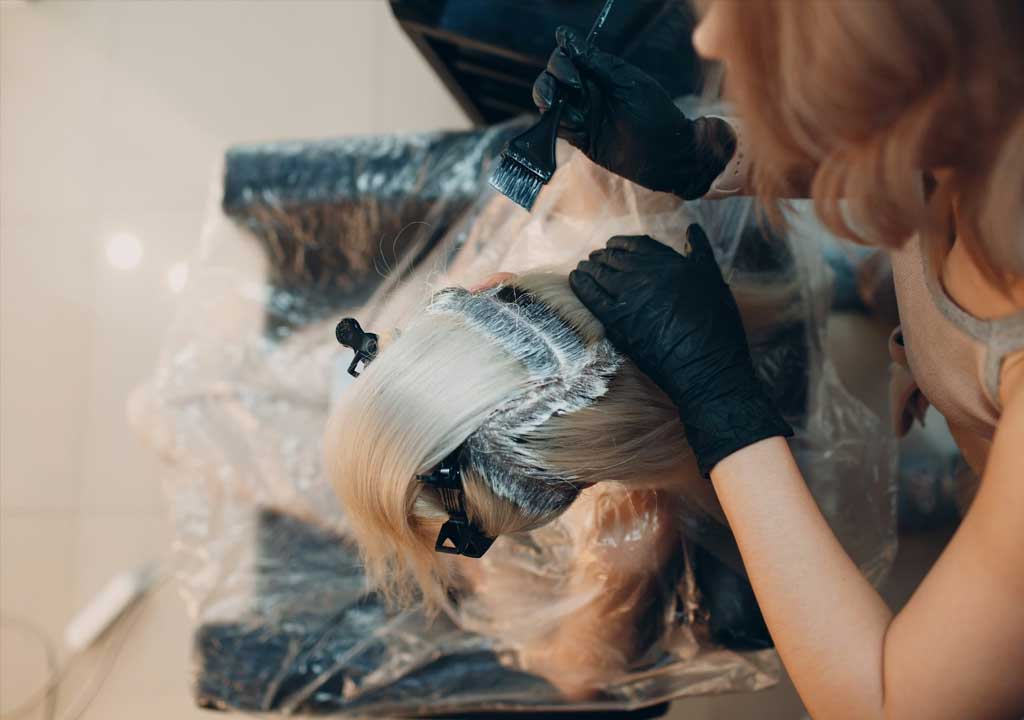
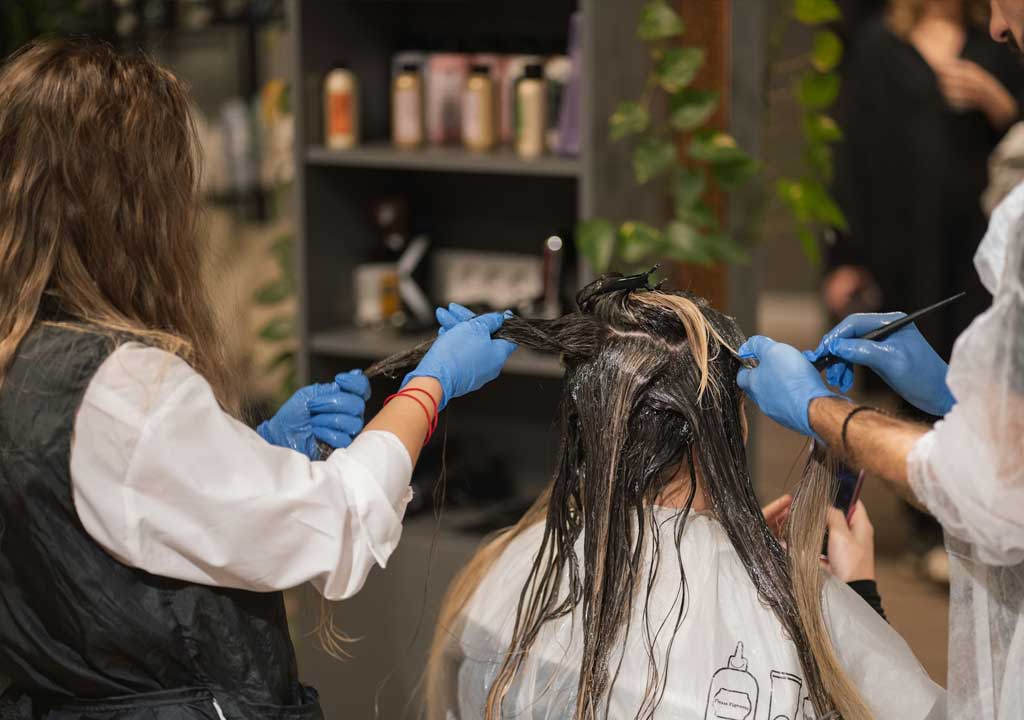
- Protect the scalp: Use a barrier cream (petroleum jelly or a specialized scalp barrier) along the hairline and behind the ears to minimize staining and irritation. Wear gloves and use a color brush or bottle applicator to apply with controlled precision.
- Sectioning and timing: Work in small, even sections to ensure uniform color. If your hair is long, consider dividing into four to six sections to improve coverage and reduce processing time per area.
- Rinse properly: After processing, rinse with lukewarm water until the water runs clear. Finish with a conditioner designed for color-treated hair to seal the cuticle. Avoid hot water; it can open the cuticle further and fade color faster.
If you're using at-home dye, you may not be able to replicate salon-level control, but careful preparation, precise timing, and protective measures will help you achieve a safer, more even result. Always have the right tools on hand: shades, bowls, brushes, gloves, a timer, and a well-ventilated space.
Rinse, cleanse, and post-dye care
The days after coloring are a critical window for sealing in moisture and locking color into the hair shaft. A thoughtful post-dye routine supports vibrancy and scalp comfort, while minimizing fade and dullness.
- Rinse with care: Rinse with lukewarm water and avoid hot streams that can strip moisture or degrade color faster. For darker shades, a brief cool rinse at the end can help seal the cuticle.
- Choose color-safe, gentle cleansers: Use a sulfate-free, color-safe shampoo and conditioner. Sulfates can be effective cleaners but may strip dye faster; opt for milder cleansers labeled for color-treated hair.
- Conditioning is essential: Use a rich conditioner or a color-safe mask 1-2 times per week, or as needed. Color-treated hair benefits from ongoing moisture and bonding treatments that support the cuticle and reduce breakage.
- Leave-in protection: A lightweight leave-in conditioner or heat protectant helps shield hair from everyday stress, UV exposure, and heat styling. For those who heat style, apply heat protection before styling to minimize damage.
- Spots and color refreshers: If you notice color fading around the ends or at the scalp, you can refresh with a gloss or color-depositing conditioner in between full color applications. This helps maintain vibrancy without excessive chemical exposure.
Color-treated hair often benefits from a cooled-down routine: less washing, cooler water, and strategic styling. By building a routine that emphasizes moisture, protein balance, and protection, you can extend color life and maintain healthy hair.
Protecting color from daily wear: UV, chlorine, and heat
Environmental factors and daily habits can dull color quickly. Proactively protecting your color helps you keep vibrancy between touch-ups.
- Sun exposure: UV rays can fade color and dry hair. Use a UV protective spray for hair or wear a hat in intense sun. Consider products with UV absorbers or antioxidants designed for hair care.
- Chlorine and saltwater: Both can strip color and dryness. Wet hair with clean water before swimming to reduce pigment absorption, wear a swim cap if possible, and rinse immediately after swimming. Use a color-safe clarifying or chelating shampoo if you're regularly in chlorinated water.
- Heat styling: Excessive heat (flat irons, curling irons, hot blow-drying) can degrade the cuticle and fade color. Use heat-protective products and opt for lower heat settings, air-drying when possible, and limit the frequency of heat styling.
Incorporating protective products into your routine can dramatically improve color retention. Look for items labeled "color-safe," "color-protecting," or "bond-building" to support both color retention and hair integrity.
Bond-building and deep conditioning for color-treated hair
Color-treated hair benefits from bond-building and deep conditioning therapies that reinforce structural integrity. Bond-building ingredients help repair disulfide bonds within the cortex, which can be stressed during lightening and dyeing. Deep conditioning provides moisture, smooths the cuticle, and reduces tangling that leads to breakage during brushing.
- Bond-building treatments: Consider weekly or biweekly bond builders such as products containing ingredients like cysteamine or related polymers, as directed by the product's guidelines or your stylist. These treatments can improve resilience and reduce color fade caused by breakage.
- Weekly deep conditioning: Use a richly hydrating mask or a conditioner specifically designed for color-treated hair. Focus on mid-lengths to ends where color tends to fade first and where moisture is most needed.
- Occasional protein masks: If your hair feels limp or stretchy, a protein-rich treatment can help reinforce the fiber. Balance is key-too much protein can make hair stiff, while too little can leave it weak. A professional can help tailor frequency and strength to your hair.
Maintenance is not just about products; it's about listening to your hair. If you notice signs of over-processing or dryness after a color service, adjust your routine to prioritize hydration and mechanical gentleness (soft brushing, minimal heat, and gentle detangling).
Natural and safer alternatives to traditional dyes
For those seeking gentler routes to color, or looking to avoid potent chemicals, there are natural and safer alternatives worth considering. Each option has its own expectations, limitations, and potential for unpredictable results on pre-existing color.
- Plant-based dyes: Henna, indigo, and cassia can offer color deposition with lower chemical processing. Henna gives reddish or copper tones; indigo darkens hair by depositing blue pigment. The combination of henna and indigo can yield a range of browns and blacks, but results are not easily predictable on previously dyed hair and can be difficult to remove or switch from later.
- Color-depositing conditioners and glosses: These are typically semi-permanent and designed to refresh or shift tone gradually while providing conditioning benefits. They're excellent for maintaining vibrancy between full color services and for experimenting with tones without full commitment.
- Temporary sprays and wash-out colors: Great for one-night looks or special occasions, these options wash out after a few shampoos. They can be a low-risk way to explore new shades before committing.
When exploring natural options, always perform a strand test to see how your hair reacts. Even natural substances can interact with existing dyes on hair, potentially yielding unexpected shades. If you're considering a major color change using natural dyes, consult a colorist to discuss the best plan for your hair's health and the shade you want.
Common mistakes to avoid for safer color
Avoiding common mistakes helps protect hair health while achieving your color goals. Here are pitfalls to steer clear of:
- Over-processing: Leaving dye on longer than recommended, especially on hair that has been previously bleached or is very porous, can lead to breakage and a dull, uneven tone.
- Overlapping new color on old color: Applying dye on previously colored or bleached hair in the same session can intensify damage and lead to uneven results. Sectioning and timing matter.
- Skipping a patch test: Patch testing is cheap insurance against allergic reactions and poor results. Don't skip it, even if you've colored before without issues.
- Ignoring porosity and scalp health: If hair shows signs of dryness, brittleness, or scalp irritation, address those concerns before dyeing. Otherwise, you risk poor color uptake and comfort issues during processing.
- Using incompatible products: Pairing color with clarifying shampoos or heavy clarifying routines immediately before dyeing can strip moisture and alter pH, affecting color outcomes.
Being mindful of these mistakes helps ensure color is both beautiful and healthy. Planning ahead and listening to your hair's needs makes dyeing more successful overall.
Color and scalp health: what to watch for
Your scalp is the foundation for color results. Sensitivity, irritation, or itching can indicate reactions to dyes or products, and addressing these signs early helps prevent bigger problems down the line. Here are practical tips for scalp-friendly color care:
- Stay alert for redness, itching, or burning sensations during processing. If you experience these symptoms, rinse immediately and seek professional guidance before continuing with the current product.
- Avoid aggressive scalp contact with developer and dyes. Use barrier creams to protect the skin where needed and keep products off the scalp when possible by applying along the hair shaft rather than directly on the scalp.
- Ventilation matters: Work in a well-ventilated area to reduce inhalation of fumes. If you're sensitive to odors, discuss alternative formulations or professional application options with your colorist.
Healthy scalp health supports healthier hair color outcomes. If you have a history of scalp conditions, consult a dermatologist or trichologist before coloring to tailor a safer plan that suits your scalp's needs.
Maintenance routines for different hair types and porosity
Hair varies in type (straight, wavy, curly, coily), density, and porosity. Each characteristic affects how color looks and lasts, so tailoring your routine can optimize results.
- Low porosity hair: Often benefits from lightweight, water-based moisturizers and hot oil treatments to help lift the cuticle slightly for better color absorption. Avoid heavy oils that can sit on top of the hair and weigh it down.
- High porosity hair: Typically needs more moisture and protein balance. Protein-rich masks, sealants, and rich conditioners help reinforce the cuticle and reduce color fade. Apply nourishing products from mid-lengths to ends to avoid weighing down the roots.
- Fine hair: Be gentle to avoid flattening the hair with heavy products. Choose lightweight color-protecting shampoos and conditioners, and consider lighter glosses to refresh color without weighing hair down.
- Thick or curly hair: Deep conditioning and bond-building treatments can compensate for the extra moisture demands and styling needs. Use products that define curls while protecting color, and avoid heavy layers that can clog the hair shaft.
Testing and adjusting your routine after each color service helps you learn what works best for your unique hair. A consult with a colorist can also help tailor a plan based on porosity, texture, and color goals.
Professional vs. DIY: making the right choice
Choosing between at-home dyeing and professional color services depends on your goals, budget, and comfort level. Each path has advantages and considerations.
- DIY dyeing: Suitable for simple shade changes or touch-ups, especially with brand-name, user-friendly kits. It offers control over timing and shade, and it can save money. The key is to follow instructions exactly, perform a patch test, and not over-process. For complex color corrections, bleaching, or dramatic transformations, DIY may increase the risk of damage if not done carefully.
- Professional color services: Provide access to advanced formulations, toners, bond-building treatments, and precise application. A pro can assess porosity, scalp health, and hair integrity to select a safer, more effective plan and achieve nuanced shades. While more expensive, professional services can reduce damage and improve predictability, especially for bleaching or major color changes.
When in doubt, consult a licensed colorist. They can help you choose a shade that complements your skin tone, assess hair health, and design a maintenance plan that minimizes damage while preserving vibrancy.
FAQ: quick safety and maintenance reminders
Here are concise answers to common questions many people have about safe hair color care:
- How often should I color my hair? Frequency depends on your color goals and hair health. Semi-permanent colors may require touch-ups every 4-6 weeks, while permanent dyes often require maintenance every 6-8 weeks, depending on regrowth and fading. If your hair is damaged, extend the time between colorings to avoid further stress.
- Can I color my hair if it's damaged? It's best to repair damage before dyeing. Focus on moisture, protein balance, bond-building treatments, and trims. If damage is severe, consult a professional for a safer plan that may include postponing color or choosing a gentler option.
- What about gray coverage? For gray roots, a targeted approach to roots with a fade management plan can reduce damage. If hair is porous due to aging, you may need longer conditioning and lower lift to maintain health.
- Is there a safe way to go lighter without burning hair? Lightening hair is the most aggressive process. A professional can assess your current shade and porosity, use bond-building and protective measures, and tailor processing to minimize damage. Semi-permanent lightening or deposit-only options can be safer alternatives for some.
Regular checks on scalp health, hair integrity, and color results help you stay on track. If you notice unusual itching, burning, or severe dryness after dyeing, seek professional advice promptly.
Putting it all together: a practical care plan
Here is a practical, customer-friendly plan you can adapt to your routine. It's designed to maximize vibrancy while protecting hair health over time. Feel free to mix and match steps based on your schedule and goals.
- 2 weeks before dyeing: Hydration focus. Use a deep conditioning mask, consider a bond-building treatment, and trim if needed.
- 1 week before dyeing: Scalp protection and light cleansing. Use a gentle, sulfate-free cleanser and a barrier cream on the hairline if you've had irritation in the past.
- Color day: Patch test, set up a well-ventilated space, apply color with gloves and barrier cream. Monitor processing time accurately and rinse with lukewarm water. Apply a color-safe conditioner or gloss as directed.
- Post-color week 1: Gentle cleansing with a color-safe shampoo. Use a leave-in conditioner and a heat protectant if you style hair with heat. Avoid harsh heat and washing too frequently.
- Post-color week 2 onward: Bond-building or moisture masks as needed. Introduce a weekly treatment that suits your porosity and hair type. Maintain UV protection and consider a color-depositing conditioner for mid-cycle touch-ups.
Maintaining vibrant color is a long-term commitment to hair health. It's not just about the shade you wear today; it's about the strength, elasticity, and moisture that allow color to stay vivid over time. By combining mindful preparation, careful application, and consistent post-color care, you can achieve looks that pop while keeping your hair healthy, resilient, and manageable.
Final notes on safety and confidence
Colors are fun, but safe color care is essential for sustainable beauty. If you're new to dyeing or returning after a long break, start with more conservative shades and gradually experiment as you become more comfortable with routines and outcomes. Listen to your hair: if it feels dry, brittle, or rope-like during color processing or after, pause and adjust your routine before moving forward. A well-chosen product lineup, patch testing, professional guidance when needed, and attentiveness to scalp health can help you achieve vibrant looks without compromising hair or scalp wellbeing.
So go ahead and explore your color possibilities with confidence. Safe color is not a paradox; it's a thoughtfully designed approach that honors hair health while delivering the vibrant transformation you crave. Here's to look-good, feel-good color that travels with your lifestyle and stands the test of time-one healthy strand at a time.
LIKED THIS ARTICLE? SHARE IT: