









Spring Bloom: Fresh Hair Dye Trends and Color Stories

Spring Bloom: Fresh Hair Dye Trends and Color Stories
The world wakes up from the hush of winter with color returning to our days in the most literal way: our hair. This spring, salons and at‑home kits are leaning into the vitality of the season-petals, sunshine, and a sense of renewal-translating it into vibrant color stories that feel both fresh and wearable. Whether you're craving a whisper of shade or a full chromatic moment, the newest dye trends invite you to tell a personal story with your strands. In this guide, we'll explore the spring dye trends, the color stories behind them, the techniques to achieve them, and how to care for newly colored hair so your bloom lasts as long as possible.
1. The Spirit of Spring: Color Stories That Echo the Season
Spring color stories draw inspiration from a garden in full bloom-soft petals, radiant sun, and the playful pop of unexpected hues. Think of color palettes as narratives: a petal-pink love letter, a lilac‑kissed breeze, a citrus sunbeam, or a mossy green walk in the forest. These stories aren't just about one shade; they're about transitions, blends, and the way tones melt into each other for a natural, multi‑dimensional look. The overarching mood is optimistic, bright, and a touch whimsical, with a preference for lighter brightness that flatters most skin tones while still offering a clear departure from winter's muted tones.
Two guiding ideas shape the season's color stories: the art of diffusion and the elegance of restraint. Diffusion means soft gradients where color subtly shifts across the hair-your roots may be warmer, your midlengths cooler, your ends lighter or more saturated, but the changes feel seamless, like a watercolor painting. Restraint, meanwhile, invites color to be intentional rather than everywhere. A single accent strand, a sun-kissed glaze across the ends, or a carefully placed peekaboo of a bold shade can deliver dramatic impact without feeling loud. The result is a spring that looks radiant in daylight, in photos, and from every angle you turn.
2. Trending Dye Techniques: How to Get the Look
Trends aren't just about color; they're about technique. This season's most talked‑about methods balance artistry with practicality, allowing for both salon precision and at‑home experimentation. Here are the techniques that define spring's color stories.
Soft Balayage and Melted Roots
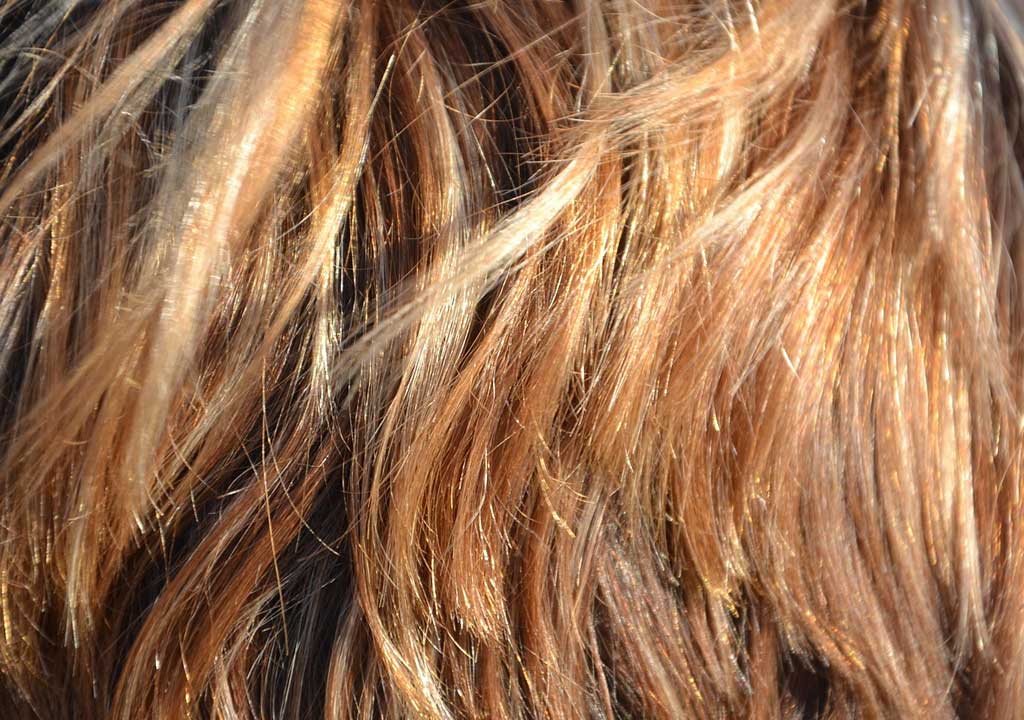
Balayage isn't new, but its spring iteration leans into softness and diffusion. The goal is a "melt" between root and midlength that makes regrowth virtually invisible while still offering a luminous face frame. You'll see roots that are slightly warmer or cooler than the midlengths, creating a natural transition as if the sun did the coloring for you. The result is a low‑maintenance, high‑impact look that reads as fresh and modern. If your natural color is dark, a warm caramel root with ashier midlengths can create a sophisticated, sun‑kissed effect. For lighter blondes, a cigarette‑smoke ice tone at the ends provides modern edge while staying elegant.
Pastel Pop: Baby Blues, Pink, Lilac
Pastel hues are back, but today's pastel isn't just one shade-it's a curated trio or quartet that plays well together. Think a soft pink that kisses the cheeks, lavender‑lavender shadows near the crown, and a pale blue tip for a hint of ocean air. The effect is playful and creative without feeling juvenile, especially when anchored by a natural base or a neutral root. To keep the color from washing out too quickly, stylists often use color-depositing glosses or semi‑permanent dyes with high shine. If you're apprehensive about committing to a full pastel, start with one pastel strand or a dip‑dyed bottom to test your tolerance for change while keeping your look anchored in something familiar.
Vibrant Accents: Coral, Emerald, Turquoise
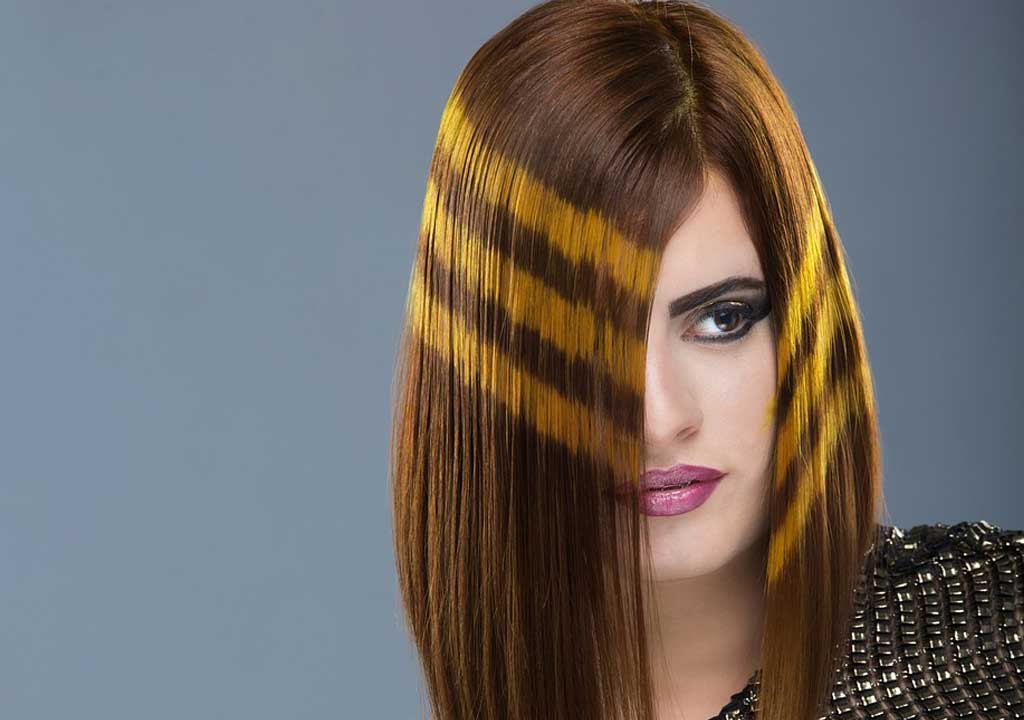
When spring demands a statement, the palette goes saturated for strategic pops. Coral accents on the face‑framing strands, emerald beams through hidden underlayers, or turquoise streaks peek through a classic brunette base are all playful options. Use these as color checkpoints rather than full‑head commitments. They read as fashion‑forward, especially when paired with soft makeup and minimalist outfits to let the hair steal the show. For a more subtle version, consider a glossy glaze that infuses the strand with a hint of color rather than a stark hue-this approach preserves hair integrity while delivering modern color drama.
Metallic and Pearl Glazes
Metallic or pearlescent finishes have a glamorous, almost otherworldly quality. Think champagne sheen on warm blonde bases or a silver‑pink moonlight glaze on cool platinum. These glazes are often superficial in the sense that they live on the surface and require specialized maintenance to prevent dullness. They photograph beautifully in natural light, catching sunbeams and reflecting a soft, inner glow. If you're curious about this trend, start with a gloss or glaze service rather than permanent color; you'll gain the experience, shimmer, and a sense of magic without deep commitments.
3. Palette Breakdowns: Concrete Examples to Guide Your Choice
Turning trend into reality requires translating these color stories into concrete palettes. Here are several approachable combinations, with notes on skin tone, hair type, and lifestyle to help you decide what might work for you.
Petal Pink Softness: a rosy pink candy tone at the midlengths, blended with a warm vanilla base near the roots and a pale rose at the ends. Hex inspirations: #F6A6B2 (petal pink), #ECD9C2 (vanilla), #F0B6C3 (soft rose). Best for light to medium skin tones; low‑to‑medium maintenance with color‑depositing conditioners.
Lilac Breeze Melt: a violet‑lavender gradient that starts around the crown and melts into a pale lilac tip. Pair with a natural dark or light base depending on your preference; it's especially flattering on cooler undertones. Consider infusion of a silver or ash root to prevent warmth drifting in. Palette: #C8A9EA (lilac), #F1E9F3 (soft white), #8C7CC9 (deep lilac accent).
Sunlit Caramel Dew: warm caramel roots that transition to honey‑blonde midlengths, with a sunlit, almost champagne end. Great for medium to dark hair and warm undertones; think of it as a gentle sunrise in hair form. Palette: #8A4B2F (caramel), #D6A86D (honey), #F2E5B1 (champagne).
Oceanic Peekaboo: a hidden pop of turquoise or teal underlayer that peeks at the ends or through the under‑layers when you move. It's dramatic in motion but easily concealed when you want a muted look. This is best with darker bases to maximize contrast. Palette: #2EC4B6 (turquoise), #0A3D62 (deep sea), #6DE8D4 (sea foam).
4. How to Decide Your Color Story: A Practical Guide
Choosing a spring color story should be a collaboration between your lifestyle, maintenance tolerance, and personal taste. Here are practical steps to help you pick a look you'll love all season long.
- Assess your base level and undertone: If your natural hair has warm undertones, warm caramel or peachy blondes will harmonize with your complexion; if you lean cool, ashier blondes, lilacs, and blues may sing louder against your skin.
- Consider your routine: If you wash hair daily or swim frequently, opt for color systems with strong fade resistance and color‑depositing options. A look that requires frequent touch‑ups may not fit a busy schedule.
- Test before you commit: Use temporary sprays or chalks in the same color family to visualize how the shade will look with your eye color and wardrobe. This step reduces the risk of buyer's remorse.
- Start with accents: If you're nervous, begin with a single colored strand, a peekaboo underlayer, or a face‑framing gloss. You'll get a feel for the color's impact before applying it more broadly.
- Think about maintenance: Lighter colors generally require more upkeep, while deeper tones or glossed looks last longer. Plan appointments accordingly and consult your colorist about bond builders, reparative masks, and aftercare.
5. Maintenance and Care for Fresh Spring Color
Color is a commitment, even more so when you've opted into a non‑natural hue or a pale pastel. To keep your spring look vibrant, follow a maintenance routine that supports color integrity, scalp health, and hair strength.
First, choose products designed for color‑treated hair: sulfate‑free shampoos with color protection, hydrating conditioners, and low‑pH glosses. Purple or blue toning shampoos can help maintain cool blondes and lavender tones, but use them sparingly to avoid over‑toning. A weekly bond‑building treatment (like a professional version of an at‑home kit) can help prevent breakage and extend the life of color. If you're dealing with brassiness, a color‑correcting mask can be used as needed, never more than once a week unless directed by your stylist.
Second, shield your hair from heat and UV exposure. High‑wind days, sun exposure, and heated styling tools can all fade color more quickly. Use heat protectants before styling, and consider hats or UV protection sprays when you're outside for extended periods. A silk or satin pillowcase reduces friction that can wear away at post‑color hair overnight, keeping frizz at bay and color intact.
Third, embrace gentle style changes. If you're wearing your color through a transition month, consider light styling or looser waves rather than heavy, heat‑driven styles that can stress the hair. The more patient you are with the styling process, the longer your color will stay vibrant and luminous.
6. Safety, Professional vs At‑Home Dye: What to Know
Spring color looks can be tempting to DIY, but there are important considerations for safety and results. A professional colorist can assess your hair's health, texture, and color history to tailor a formula that minimizes damage and delivers the look you want. A skilled pro will also advise on bond builders, porosity, and the best processing times for your hair type. If you choose at‑home dye, select products that are specifically designed for your base shade and desired tone, and perform a strand test to gauge lift and deposit. Always follow the manufacturer's instructions, and if you have a history of color allergies, patch testing the product a day before full application is essential.
Unhealthy hair cannot hold color cleanly, and any chemical process has the potential to cause damage if misused. If your hair feels dry, brittle, or overly fragile after color, book a follow‑up appointment with your stylist to discuss bond‑building treatments and a personalized recovery plan. Healthy hair is the best canvas for spring's most vivid hues, and a thoughtful maintenance routine can keep your color looking salon‑fresh for longer.
7. The Role of Hair Care Tech in Spring Color
Technology and science meet beauty in the realm of fresh color. Bond‑building ingredients such as keratin or cysteine variants support the cuticle and inner structure during lightening, reducing breakage and improving elasticity. Color depositing glosses and conditioners with micro‑pigments help maintain vibrancy between salon visits. In addition, colorists are increasingly considering scalp health as part of the dye process, recommending products that soothe sensitivity and protect against irritation. If you're new to color or exploring bright tones, discussing these technologies with your stylist can help you choose a plan that retains hair integrity while delivering the look you want.
8. Seasonal Silhouettes: Haircut and Styling Complements for Spring Color
Color doesn't exist in isolation; it shines when paired with the right haircut and styling. For spring color stories, consider silhouettes that enhance the glow of the hue without overpowering it. Here are a few pairing ideas:
- Soft, long layers: A gentle cascade lets color melt naturally through the strands, emphasizing a balayage effect and adding movement with every step.
- Blunt bobs with subtle gloss: A sharp shape can make bold color feel modern and high fashion, while a glossy finish ensures the tones stay luminous.
- Textured curls: The natural texture-and how light catches it-creates dimension that makes pastel tones appear richer and more dynamic.
- Peekaboo underlayers: When you want to reveal color only with certain movements, underlayers provide drama with the option to cover up as needed, maintaining a degree of versatility.
Styling tips to maximize color payoff include using a leave‑in conditioner that provides slip, a light hold styling product for definition, and a heat protectant that also aids in maintaining shine. The right combination can prevent color from looking dull and help you enjoy a longer life of your spring hue.
9. Color Stories by Skin Tone and Hair Type
While color is personal, some hues tend to flatter particular undertones more reliably. Here are a few guidelines to help you align spring color stories with your natural shade and skin tone.
Warm undertones often glow with creamy blondes, caramel, peachy pinks, and sunlit copper. The warmth enhances the natural warmth in your skin and creates a harmonious, sun‑kissed appearance. Pair warm tones with gold jewelry to amplify the glow.
Cool undertones tend to read best with icy blondes, lavender, lilac, soft blues, and metallic glazes that lean toward pearl or silver. Cool tones can create a striking contrast that is crisp and modern. Silver jewelry often complements these looks beautifully.
Neutral undertones have the most versatility. The middle ground allows for both warm and cool color stories, depending on personal preferences and style goals. Neutral skin tones often handle a broader spectrum of vivid pastels and saturated hues with ease.
In terms of hair type, finer hair tends to appreciate softer, diffusion‑friendly techniques like gentle balayage and subtle glosses that add shimmer without heaviness. Coarser or thicker hair can carry more contrast and brighter accents-think bold underlayers or more saturated face‑framing pieces. The key is to balance color with texture so the overall look remains harmonious rather than overwhelming.
10. The Mood Board: Stories to Inspire Your Spring Look
To help translate these ideas into wearable style, here are three mood board concepts you can reference when talking with your colorist or choosing an at‑home kit.
Garden Party Glow: petal pink blend with champagne roots, soft vanilla midlengths, and a pale rose at the tips. Finish with a light gloss and a dewy makeup look that mirrors the hair's soft radiance. This mood is ideal for light to medium skin tones and works beautifully with delicate floral wardrobes.
Mermaid Meadow: seafoam and turquoise accents under a dark base, with lilac or lavender as a crown highlight. This story is bold yet still wearable, especially for those who enjoy punchy color in controlled areas. It pairs well with sea‑inspired jewelry and outfits featuring blues and greens.
Sunlit Velvet: a golden base with warm copper highlights and a bright, glossy finish that catches light from every angle. The mood here is luxe and modern, ideal for those who want a statement without sacrificing sophistication. Complement with warm makeup tones that echo gold and bronze shadows.
11. Real‑World Tips: Implementing Spring Color on a Budget
Colorful hair doesn't have to break the bank, and you can build a spring look that fits within a budget with careful planning. Here are practical tips that can save money while still delivering a chic result:
- Prioritize a strategic color plan: Instead of a full‑head color, opt for a root melt, face‑framing highlights, or peekaboo panels. These options create the same mood with less product and processing time.
- Choose progressive color solutions: Semi‑permanent or demi‑permanent dyes are typically more affordable and fade gradually, allowing you to adjust your look as the season evolves without a big commitment.
- Invest in color‑safe care: A longer‑lasting color care routine reduces the frequency of touch‑ups and helps you maximize the life of each service.
- Shop smart for at‑home kits: Look for color kits with bond builders and clear instructions. Read reviews to ensure the product delivers safe, even coverage and doesn't dry out the hair.
12. The Conversations Behind the Chair: What Clients Tell Their Colorists This Spring
Every client brings a story to the chair, and spring's color conversations often revolve around renewal, experimentation, and balance. Many clients express a desire to feel more like themselves again after the long months of winter, and choose color stories that feel uplifting rather than dramatic. Others are drawn to playful accents and subtle changes that offer a sense of novelty while remaining adaptable to professional environments or daily life. The most successful color journeys this season start with listening-understanding the hair's health, the client's lifestyle and maintenance preferences, and the wardrobe and makeup choices that will harmonize with the new hue. In short, spring becomes a collaborative color story, written with the client's voice at the center.
13. The Ethics of Color: Sustainability and Ingredient Transparency
More and more brands are embracing sustainability without sacrificing performance. Look for products with responsible packaging, reduced ammonia or mercury, and ingredients that protect and nourish hair cuticles. Many color lines now offer refillable cartridges, clean formulation narratives, and vegan or cruelty‑free certifications. When discussing color options with your stylist, don't hesitate to ask about the products' ingredients, the existence of bond builders in the color system, and the environmental footprint of the service. A spring bloom aesthetic can be paired with a philosophy of care-care for your hair, for the planet, and for future seasons' palettes.
14. In Short: What to Try This Spring
If you're ready to embrace spring's color stories, here are a few concrete ideas to consider as you plan your next color service or at‑home experiment:
- Begin with a soft melt of warm caramel at the roots and a champagne gloss on the midlengths to create a bright, natural spring glow.
- Add a single pastel strand near the face (a pink or lilac highlight) to create a framing effect that softens features and adds a touch of whimsy.
- Try a hidden underlayer in turquoise or emerald for dramatic moments when you move or flip your hair, without overwhelming your everyday look.
- Experiment with a pearlescent glaze that gives hair a subtle metallic sheen, ideal for special occasions and social events where your color catches the light.
15. A Polished Spring Look: Maintenance Check-ins and Scheduling
As you embark on your spring color journey, plan for regular maintenance to keep your look fresh. Schedule a color refresh every 6-8 weeks for most shades, or sooner if you're maintaining a high‑contrast or pastel trend. Between visits, use color‑protecting products and bond‑building treatments to extend life. If you're experimenting with bolder looks, you might stagger your appointments to alternate maintenance with trim sessions, ensuring your hair remains healthy while your color evolves with the season.
Conclusion: Spring as a Canvas
Spring is a time of renewal, and your hair can be a living canvas that captures the season's energy-bright, hopeful, and endlessly creative. Whether you opt for a whisper of color or a fearless array of hues, the key lies in color stories that feel true to you: a look that grows with you, not just a moment that fades. The trends this season celebrate balance-the art of blending tones, the magic of a well‑placed accent, and the confidence that comes from knowing your color is intentional and personal. So this spring, let your hair tell a story of bloom: soft, bright, and uniquely yours.
If you'd like, tell me a bit about your current hair color, skin tone, and how much maintenance you're willing to commit to. I can help tailor a spring color story that matches your lifestyle and style preferences, with specific shade suggestions, techniques, and care routines to keep your look radiant long after the petals fall.
LIKED THIS ARTICLE? SHARE IT: