





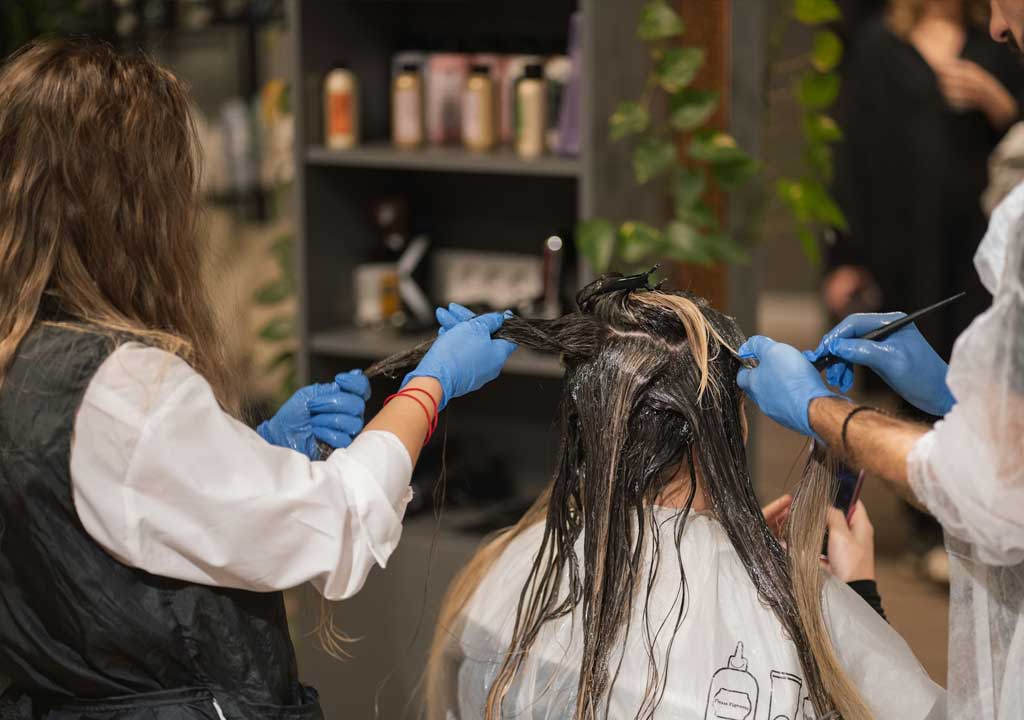


Reading Labels on Hair Dyes: Common Ingredients and Potential Allergens


Reading Labels on Hair Dyes: Common Ingredients and Potential Allergens
Hair dye is a household staple for many people who want to cover grays, experiment with new looks, or simply refresh their style. But behind the vibrant shades and glossy finishes lie chemical ingredients that can irritate the skin or trigger allergic reactions in some people. Reading labels on hair dyes before you apply them is a smart, practical step toward safer color results. In this guide, we’ll break down the most common ingredients you’ll encounter, explain which ones are most likely to cause allergies, and offer practical tips for choosing products that fit your skin’s needs.
Why reading labels matters
Hair dyes, especially permanent oxidative dyes, rely on a combination of dyes, developers, and additives to achieve lasting color. Some ingredients are highly effective but can be sensitizers for people with sensitive skin or a history of allergic dermatitis. Others are used primarily to adjust the dyeing process, control odor, or extend shelf life. For many, the crucial allergens are P-phenylenediamine (PPD) and related aromatic amines, resorcinol, ammonia or other alkalizing agents, and hydrogen peroxide. In addition, fragrance components and certain preservatives can trigger reactions even when the color itself is well tolerated. By understanding common ingredients and how they’re listed on the label, you can make safer, more informed choices.
How hair dyes work (at a glance)
Most traditional, long-lasting hair color uses an oxidative dyeing process. A dye precursor (often an aromatic amine) penetrates the hair shaft, and an oxidizing agent (usually hydrogen peroxide) reacts with the dye precursors to form larger dye molecules that lock into the hair. This process often requires a basic/slightly alkaline environment, which is why ammonia or alternative alkalizing agents are common in these formulations. The combination of dye precursors, developers, and stabilizers produces the color change you see when the dye processes. Because of the chemistry involved, some steps require stronger chemicals than those found in temporary or semi-permanent dyes. This is why the ingredient lists for permanent dyes tend to be longer and more likely to include potential allergens.
Common ingredients found in oxidative (permanent) hair dyes
Below is a non-exhaustive, practical catalog of ingredients you’re very likely to encounter on label panels for traditional permanent hair dyes. Note that exact names can vary; brands may use trade names or INCI (International Nomenclature of Cosmetic Ingredients) names on labels. If you see any of the following, take note and consider your sensitivity history before proceeding.
P-Phenylenediamine (PPD) and related aromatic amines
P-Phenylenediamine (PPD) is one of the most common and powerful dye intermediates used in many permanent hair color formulations. It is also one of the most frequent triggers of contact dermatitis linked to hair dyes. You'll often see PPD listed exactly as “p-Phenylenediamine,” or you may see it described indirectly as a derivative such as “PPD” or “para-diaminophenyl” compounds. Some products use alternative dye precursors like toluene-2,5-diamine (often listed as Toluene-2,5-diamine sulfate) that can still trigger reactions in sensitive individuals who are sensitive to aromatic amines. If you have a history of dye allergies or dermatitis, PPD and related amines are the chief ingredients to review first.
Why it matters on labels: PPD and its derivatives are strong allergens for some people. If you’ve previously reacted to hair dyes, PPD is a common culprit. Even if you haven’t reacted before, a patch test is strongly recommended before the first use of a product containing PPD or related dyes. In some countries, products must clearly disclose PPD or its derivatives on the ingredient list.
Resorcinol
Resorcinol is another backbone molecule in many permanent hair dyes. It’s used in combination with PPD and other precursors to achieve a wide color range. Like PPD, resorcinol is a known potential allergen for some people and can cause contact dermatitis after direct exposure, even with short contact times. If you have a history of skin reactions to cosmetics or hair products, you’ll want to check for resorcinol on the label and consider a patch test before application.
Ammonia or alternative alkalizing agents (e.g., ethanolamine)
Ammonia is a classic ingredient in many permanent dyes. It opens the hair cuticle so dyes can penetrate and react inside the hair shaft. Some brands are moving to ethanolamine or other gentler alkalizing agents, which can be less odorous or irritating for some people. Ammonia and related alkaline agents can irritate sensitive scalps, especially during processing, and in rare cases may contribute to a contact reaction if you have sensitivities. Look for “ammonia” or “ethanolamine” in the list. If you’re avoiding strong odors or irritants, you may opt for products marketed as “ammonia-free” or “gentle formula,” while still checking for other potential allergens.
Hydrogen peroxide (developing agent)
Hydrogen peroxide is the oxidizing agent that helps to develop the color by reacting with the dye precursors. It’s a standard component of most permanent hair colors. While essential for color development, hydrogen peroxide can be irritating to sensitive individuals, and higher concentrations can cause more pronounced scalp discomfort during processing. It’s usually listed as “hydrogen peroxide” or simply “H2O2” on the label. People with sensitive skin or prior reactions should be mindful of both the concentration and the accompanying ingredients.
Persulfates (ammonium persulfate, sodium persulfate)
Persulfates are powerful oxidizing salts used in hair lighteners and some high-lift dyes. They can be strong irritants or sensitizers for some people, especially when they come into direct contact with the scalp in formulations designed to lighten hair. If you’re choosing a dye that includes lightening steps or high lift, check the label for persulfates and be prepared for potential irritation during processing. If you have experienced sensitivities to persulfates in the past, you may want to patch test and consider professional application or alternative products.
Fragrance (parfum) and fragrance allergens
Fragrance is a common addition to many hair dyes to mask the chemical odor of the dyes and stabilizers. On labels, you may see “fragrance” or “parfum.” Fragrance mixtures can contain dozens of individual allergens, including substances like eugenol, isoeugenol, limonene, linalool, cinnamal, hydroxycitronellal, and others. EU labeling requirements require listing certain fragrance allergens when present above a specific threshold, but not all individuals know to look for them. If you have a perfume allergy or sensitive skin, fragrance can be a hidden risk even if other dye ingredients seem tolerable. Consider choosing fragrance-free formulas or performing a patch test if you know you react to scented cosmetics.
Preservatives and stabilizers
Hair dyes contain preservatives to prevent microbial growth in the product. Common preservative families you might encounter include parabens (such as methylparaben or propylparaben) and formaldehyde-releasing preservatives like DMDM hydantoin, imidazolidinyl urea, or diazolidinyl urea. Some people are sensitive to formaldehyde-releasing agents or to parabens, and these components may be linked to irritation or allergic reactions in certain individuals. If you have a known sensitivity to preservatives or to formaldehyde-related compounds, skim the label carefully for these ingredients.
Other notable additives
Beyond the major players, you may see a variety of secondary ingredients intended to improve texture, scent, or application. Examples include diethanolamine (DEA), triethanolamine (TEA), propylene glycol, glycerin, or various conditioning agents. Some users experience irritation with certain surfactants or solvents, especially if they have sensitive scalps. While these aren’t typically the leading allergens, they can contribute to irritation in combination with other dye components. If you notice itching, burning, or redness after applying a product, review the full ingredient list for potential irritants beyond the primary color components.
What are potential allergens to watch for, and why they matter
Allergies don’t always show up the first time you color your hair. In many cases, sensitization occurs after repeated exposure to a chemical, which is why a patch test is essential even if you have dyed your hair before without issue. Here are the primary allergen groups you’re most likely to encounter and why they matter.
P-Phenylenediamine (PPD) and related aromatic amines
PPD is the single most commonly reported allergen associated with hair dyes in many countries. Reactions can range from mild itching and redness to more extensive dermatitis or swelling. Because PPD is widely used for color development and durability, avoiding it entirely can be challenging, but knowing its presence on the label helps you make informed choices, especially if you’ve had a reaction before. If a product lists PPD or a derivative such as “PPD” or “para-diaminodiphenyl” forms, consider whether you should patch test first. Also be aware that some products claim to be “PPD-free” but still contain related dyes that could trigger reactions in sensitive individuals.
Fragrance allergens
Fragrance components are a frequent cause of contact dermatitis. Because fragrance mixtures can include dozens of individual chemicals, hidden fragrance allergens may provoke reactions even if you don’t react to the main dye ingredients. If you’ve had fragrance-related skin issues in the past, opt for fragrance-free products or conduct a targeted test with a fragrance-free dye first. EU labeling rules require disclosure of certain fragrance allergens if present, but patch testing remains the most reliable method for assessing risk.
Resorcinol
Resorcinol is another common dye intermediate associated with contact dermatitis for some people. It is typically used in combination with PPD and other precursors to achieve certain color tones. If you’ve had reactions to hair dyes before, resorcinol is a plausible suspect and should be considered in your patch testing plan.
Formaldehyde releasers and related preservatives
Preservatives that release formaldehyde—such as DMDM hydantoin, imidazolidinyl urea, and diazolidinyl urea—are irritants and potential allergens for certain individuals. They also contribute to longer shelf life. If you have a known sensitivity to formaldehyde or to these preservatives, you’ll want to avoid products containing them and select alternatives that use gentler preservation systems.
Alkalizing agents and solvents
Alkalizing agents (ammonia, ethanolamine) and solvents used to dissolve dyes can cause irritation, especially on sensitive scalps or when processing times are long. While not always allergens in the strict sense, they can provoke discomfort that makes it feel like an allergy. If you’ve experienced scalp irritation in the past with dye processing, consider products labeled as “ammonia-free” or consult with a professional about milder formulations.
How to read the label effectively: a practical step-by-step
Reading a hair dye label isn’t just about spotting a few words. It’s about understanding what those words mean for your skin and your color result. Here’s a practical approach you can use every time you shop for hair color.
- Identify the dye type and processing method. Look for phrases like “permanent,” “oxidative,” “semi-permanent,” or “temporary.” Permanent oxidative dyes typically contain dye precursors (PPD and friends) and a developer (hydrogen peroxide).
- Scan for the main dye precursors. Check for PPD, PTD (toluene-2,5-diamine), resorcinol, and any other aromatic amines. If you have a known allergy to any of these, avoid products listing them.
- Check for the developer and oxidizers. Look for hydrogen peroxide and any listed base components (like ammonia or ethanolamine). These will tell you about the processing conditions and potential irritation risks.
- Look for fragrance and preservatives. If you’re sensitive to scents or have had reactions to fragrance in cosmetics, review the fragrance entry and consider fragrance-free options. Also note preservatives that might release formaldehyde or irritate sensitive skin.
- Review for potential irritants beyond colorants. Pay attention to solvents, surfactants, and conditioning agents; even if they aren’t classic allergens, they can affect comfort during processing.
- Assess the claim “PPD-free” or other allergen-free marketing. A product may advertise as “PPD-free,” but still contain other reactive dyes or preservatives. Read the full INCI-style ingredient list to be sure.
- Do a patch test well in advance. Regardless of what the label says, perform a patch test 48 hours before full application, following the product’s instructions. This is the single best safeguard against an unexpected reaction.
Patch testing: how to do it safely
A patch test helps you determine whether you’ll react to a dye before applying it to your scalp. Here’s a simple, commonly recommended approach. Note that you should follow the specific product’s instructions, but this general method is a good starting point.
- Choose a small area. The inside of the elbow, behind the ear, or the inner forearm are common sites for patch testing. Ensure the area is clean and dry.
- Apply a small amount. Place a tiny dab of the dye mixture (as you would for a full application) on the patch test area. Do not rub or massage vigorously.
- Cover and wait. Cover with a bandage if recommended by the product, and leave the test area undisturbed for 24 to 48 hours. Do not wash it off during this period.
- Observe and interpret. Check the patch for redness, itching, swelling, or blistering. If any reaction occurs, wash the area and do not use the product. If no reaction appears after 48 hours, you may consider proceeding, but even then, proceed with caution and consider a professional patch test or a salon application.
Special considerations for sensitive skin and allergies
If you have known allergies or sensitive skin, you may want to adjust your approach to hair dye use. Here are some considerations to help you navigate safely.
- Choose patch-tested products. Some brands offer products specifically formulated for sensitive skin or labeled as dermatologist-tested. While not a guarantee, these can be a reasonable option to consider after patch testing.
- Prefer fragrance-free formulas. If fragrance is a concern, select products marketed as fragrance-free or those that explicitly avoid parfum/fragrance ingredients.
- Ask for professional assistance. If you’re uncertain about a particular formula, a professional colorist can help you select alternatives that minimize allergen exposure while achieving your desired color.
- Consider patch-testing more than once. Some allergies may develop or intensify after repeated exposures. If you’ve used a product in the past without issue, but recently developed symptoms, repeat patch testing with a new batch or a different brand can be wise.
Alternatives to traditional dyes for sensitive scalps
If you’re particularly sensitive or have consistently reacted to hair dyes in the past, you may want to explore alternatives. While they may not offer the same long-lasting results as traditional oxidative dyes, several options can help you achieve color while reducing allergen exposure.
- Henna or plant-based dyes. Natural dyes can be gentler for some people, especially those who are sensitive to synthetic dye intermediates. However, natural products can also contain impurities and may cause allergies in others. Always perform a patch test and read the ingredients carefully.
- Temporary or semi-permanent color sprays, foams, or glosses. These formats sit on the surface of the hair rather than penetrating the cortex, and often have shorter processing times and different ingredient profiles. They may be less likely to trigger deep skin reactions but may fade quickly.
- Professional consultation for color correction or alternatives. If you’re not sure which path to take, a dermatologist or allergist can provide guidance on safe color options and may help you identify safe products to use.
What to do if you notice a reaction
If you experience itching, redness, swelling, or blistering after applying hair dye, take immediate steps to reduce exposure and seek medical advice if needed. Some reactions can be mild and resolve with washing and hydration, while others may require topical or systemic treatment. Here are some immediate steps to consider.
- Rinse thoroughly. If you notice irritation soon after application, rinse the dye from your hair and scalp with lukewarm water as soon as possible. Avoid scratching, which can worsen irritation.
- Wash the area with a mild cleanser. Use a gentle, fragrance-free cleanser to remove any residual dye from the skin.
- Discontinue use and seek medical advice. If symptoms persist, worsen, or involve swelling of the face or throat, seek urgent medical care. A dermatologist or allergist can perform patch testing to identify the allergen and guide future color choices.
- Consider symptom relief options. For mild dermatitis, a clinician may recommend a topical corticosteroid or antihistamine to relieve itching and inflammation, but only under professional guidance.
Myth vs. reality: common misconceptions about hair dye ingredients
There are several myths related to hair dyes that can lead to unsafe choices or false reassurance. Here are a few common ones, along with clarifications based on typical industry practices and safety guidance.
- “All natural dyes are always safe.” Natural or plant-based dyes can still cause allergies in some people. Henna, for example, is generally well tolerated by many, but it can cause contact dermatitis in others and may be adulterated with additives that introduce allergens. Always patch test any natural dye as well.
- “PPD-free means no risk.” A product marketed as PPD-free reduces exposure to a major allergen, but other dyes or preservatives may still trigger reactions. Always review the entire ingredient list and perform a patch test if you have sensitive skin.
- “Fragrance means a brand is dangerous.” Fragrance-free products are safer for fragrance-sensitive individuals, but many fragrance-containing products are perfectly safe for others. The key is to know your own sensitivities and choose accordingly.
- “If I’ve never reacted before, I’m safe.” Reactions can develop over time, especially with repeated exposure. Patch testing before every new product is a prudent habit.
Label-reading tips for different regions
Label requirements for hair dyes can vary by country or region, and INCI labeling is widely used in many markets. Here are some regional notes to help you interpret labels more accurately.
- United States: Ingredient lists typically follow INCI naming conventions. Look for obvious dye precursors (such as PPD and resorcinol), developers, and fragrance components. Patch testing is strongly advised, and reading the safety information on the packaging is important.
- European Union: The EU emphasizes labeling of fragrance allergens and certain dye intermediates. You may see explicit allergen disclosures in the fragrance section and precise INCI names for dye precursors. The EU’s cosmetics regulation supports patch tests and provides warnings for sensitive users.
- Other regions: Many markets align with INCI naming but may have different consumer safety guidance. Always read the product’s usage directions and consult with a dermatologist if you have a history of allergies.
Practical takeaways for safer hair color choices
To wrap up, here are concise, actionable steps you can take to reduce the risk of an allergic reaction while achieving the color you want.
- Always patch test. Perform a patch test at least 48 hours before first use and with any new product. Follow the product’s instructions precisely.
- Read the entire ingredient list, not just the headline. Look for the major allergens (PPD, resorcinol), preservatives that release formaldehyde, fragrance components, and any suspected irritants.
- Prefer reputable brands with allergy-conscious options. Some brands offer formulas marketed as “fragrance-free,” “ammonia-free,” or specifically designed for sensitive skin.
- Consider professional guidance for sensitive skin. A dermatology or allergy appointment can help you identify safe products and create a color plan that minimizes risk.
- Keep product extras separate from daily-use products. If you use other cosmetics with fragrance or preservatives, consider how cumulative exposure might affect your skin’s reactivity.
Conclusion: empowering yourself with label literacy
Choosing a hair dye is not just about finding the shade you want. It’s also about understanding what sits on the label and what that means for your skin and scalp health. By knowing the key ingredients—especially PPD and related aromatic amines, resorcinol, ammonia or alternatives, hydrogen peroxide, and potential allergens in fragrance and preservatives—you can make safer, more informed decisions. Patch testing remains your most reliable ally in preventing reactions, and seeking professional input can be invaluable when you have sensitive skin or complex medical history. With careful label reading and mindful preparation, you can enjoy the color you love while reducing the risk of itching, irritation, or more serious dermatitis.
If you’d like, share your experiences with reading hair dye labels or your patch-testing routines in the comments. We can learn from each other’s experiences and compile practical tips for staying color-ready without compromising skin health.
23.03.2026. 12:08